Updated on March 17, 2026, by OpenEDR
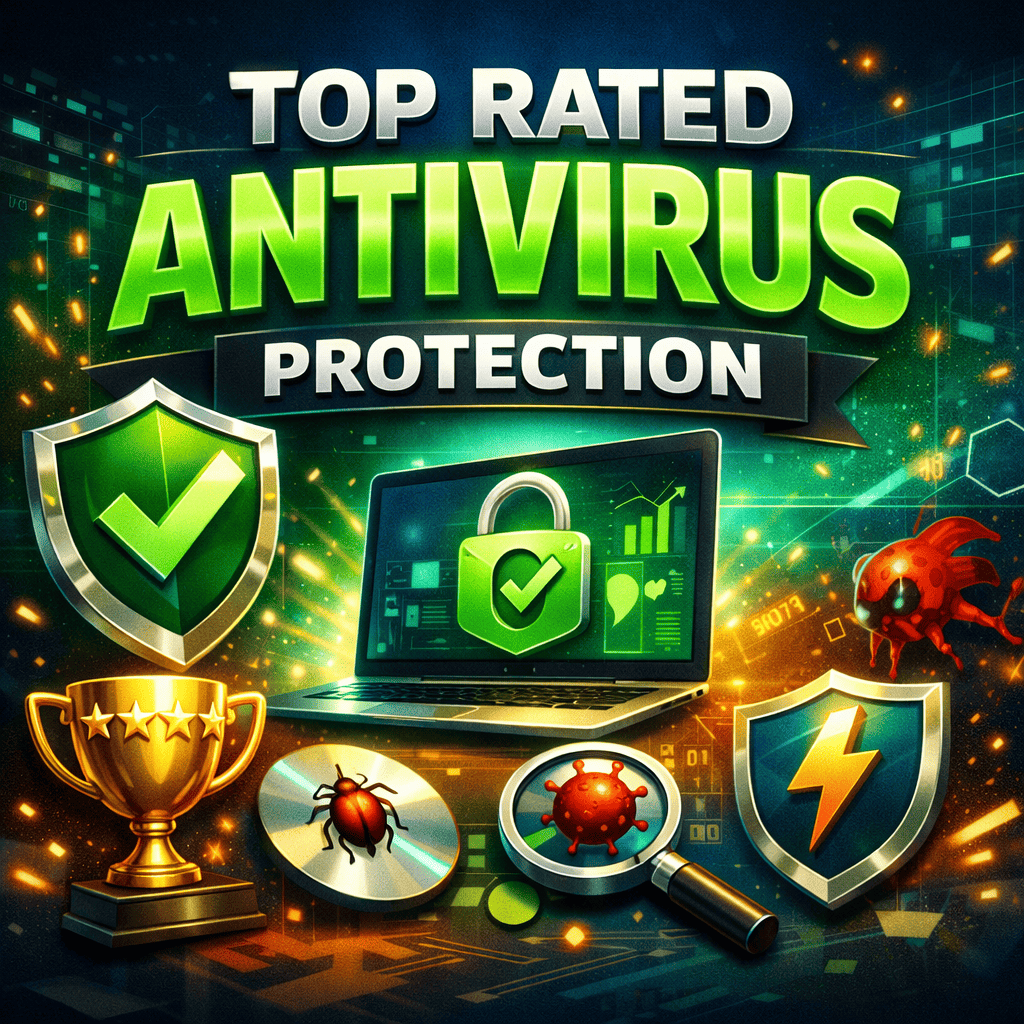
Cyber threats are evolving faster than ever. Every day, businesses and individuals face new attacks—from ransomware and spyware to phishing scams and zero-day exploits. This growing threat landscape makes top rated antivirus protection essential for safeguarding devices, networks, and sensitive data.
Many people assume basic antivirus tools are enough. However, modern cyberattacks are sophisticated and require advanced defense systems. The right top rated antivirus protection provides real-time threat detection, behavioral analysis, and proactive malware prevention to keep systems secure.
For IT managers, cybersecurity professionals, and business leaders, choosing the right security solution is critical. A weak antivirus platform can leave an organization exposed to devastating data breaches or operational disruptions.
This guide explores what top rated antivirus protection means, how antivirus software works, key features to look for, and best practices for implementing strong endpoint security.
What Is Antivirus Protection?
Antivirus protection refers to software designed to detect, prevent, and remove malicious software from computers and networks. Malware can include viruses, trojans, worms, ransomware, spyware, and other harmful programs.
The purpose of top rated antivirus protection is to identify threats before they damage systems or steal data.
How Antivirus Software Works
Modern antivirus platforms use multiple detection techniques to identify threats.
Common methods include:
Signature-based detection
Behavioral analysis
Machine learning threat detection
Cloud threat intelligence
Heuristic analysis
These methods allow antivirus solutions to detect both known and emerging cyber threats.
Why Top Rated Antivirus Protection Matters
Cybercriminals constantly develop new ways to infiltrate systems. Without strong protection, even a single infected file can compromise an entire network.
Investing in top rated antivirus protection helps organizations stay ahead of attackers.
Growing Cyber Threat Landscape
Today’s cyber threats include:
Ransomware attacks
Phishing campaigns
Fileless malware
Zero-day exploits
Advanced persistent threats (APT)
Each of these threats can disrupt operations or expose confidential information.
Impact of Cyberattacks on Businesses
Organizations that lack top rated antivirus protection may experience:
Data breaches
Financial loss
Reputational damage
Operational downtime
Regulatory penalties
Effective antivirus solutions help reduce these risks significantly.
Key Features of Top Rated Antivirus Protection
When evaluating antivirus software, organizations should focus on essential features that provide comprehensive protection.
1. Real-Time Threat Detection
Real-time protection monitors system activity continuously.
This feature allows top rated antivirus protection to detect malware as soon as it appears, preventing infections before they spread.
Real-time monitoring protects against:
Malicious downloads
Suspicious file execution
Unauthorized system changes
2. Behavioral Analysis
Traditional antivirus tools rely on known malware signatures. However, modern attacks often use new variants that traditional scanners cannot detect.
Behavioral analysis identifies suspicious activity patterns.
This approach allows top rated antivirus protection to detect previously unknown threats.
3. Ransomware Protection
Ransomware is one of the most destructive forms of malware.
Advanced antivirus software includes dedicated ransomware protection features that monitor file activity and prevent unauthorized encryption.
4. Web and Email Protection
Cybercriminals frequently use phishing emails and malicious websites to deliver malware.
Top antivirus platforms provide:
Secure browsing tools
Phishing protection
Email scanning
Link analysis
These capabilities prevent users from interacting with dangerous content.
5. Cloud-Based Threat Intelligence
Many modern security platforms rely on cloud threat intelligence networks.
These systems collect global threat data and share it across antivirus platforms.
As a result, top rated antivirus protection can quickly identify emerging threats and protect users worldwide.
Types of Antivirus Protection Solutions
Antivirus solutions vary depending on the environment they protect.
Endpoint Antivirus Software
Endpoint antivirus protects individual devices such as laptops and desktops.
These solutions are widely used in both personal and enterprise environments.
Enterprise Endpoint Security
Enterprise antivirus solutions provide centralized management across multiple devices.
IT teams can monitor and control security settings for hundreds or thousands of endpoints.
Features often include:
Policy management
Threat analytics dashboards
Automated threat response
Security reporting tools
Cloud-Based Antivirus Platforms
Cloud antivirus solutions offer scalable protection for remote and distributed workforces.
These platforms are especially useful for organizations using cloud infrastructure and remote devices.
Benefits of Using Top Rated Antivirus Protection
Deploying top rated antivirus protection provides several key advantages for organizations.
Enhanced Cybersecurity Defense
Advanced antivirus tools identify malware quickly and prevent infections from spreading across networks.
Improved System Performance
Many modern antivirus solutions include optimization features that improve system efficiency while running security scans.
Reduced Risk of Data Breaches
Malware often serves as an entry point for larger cyberattacks.
Strong antivirus protection blocks malicious programs before attackers gain access.
Simplified Security Management
Enterprise antivirus platforms allow IT teams to monitor security from a centralized dashboard.
This simplifies device management and incident response.
Best Practices for Antivirus Protection
While top rated antivirus protection provides strong defense, organizations must combine it with proper cybersecurity practices.
1. Keep Antivirus Software Updated
Threat landscapes evolve constantly. Regular updates ensure antivirus software can detect the latest threats.
2. Implement Multi-Layered Security
Antivirus software should be combined with other security solutions such as:
Firewalls
Endpoint detection and response (EDR)
Network monitoring tools
Intrusion detection systems
Layered security reduces attack risks.
3. Conduct Regular Security Scans
Scheduled scans help detect hidden malware that may bypass initial defenses.
4. Train Employees on Cybersecurity
Human error is one of the most common causes of cyber incidents.
Training programs should teach employees to recognize phishing attempts and suspicious downloads.
5. Monitor Endpoint Activity
Security teams should monitor endpoint devices for unusual behavior.
Early detection helps prevent minor issues from becoming major security incidents.
Challenges in Antivirus Protection
Despite its importance, antivirus protection faces several challenges.
Evolving Malware Techniques
Cybercriminals constantly develop new malware variants designed to evade detection.
Fileless Attacks
Fileless malware operates in system memory rather than traditional files, making detection more difficult.
Alert Overload
Large organizations may receive thousands of security alerts daily.
Security teams must prioritize threats effectively.
The Future of Antivirus Protection
The future of cybersecurity is rapidly evolving. Antivirus technologies are becoming more intelligent and automated.
Future top rated antivirus protection solutions will likely include:
Artificial intelligence threat detection
Automated incident response
Behavioral analytics
Integrated endpoint security platforms
These innovations will allow organizations to detect and stop threats faster than ever.
Frequently Asked Questions (FAQ)
What is top rated antivirus protection?
Top rated antivirus protection refers to advanced security software designed to detect, block, and remove malware while providing real-time threat monitoring and prevention.
Why do businesses need antivirus protection?
Businesses rely on antivirus protection to defend against cyber threats such as ransomware, spyware, and phishing attacks that could compromise sensitive data.
Can antivirus software stop all cyber threats?
While no solution can stop every attack, top rated antivirus protection significantly reduces the risk of malware infections and unauthorized access.
What features should the best antivirus software include?
Key features include real-time scanning, ransomware protection, behavioral analysis, phishing detection, and cloud-based threat intelligence.
How often should antivirus software be updated?
Antivirus software should update automatically and regularly to ensure it detects the latest threats.
Strengthen Your Cybersecurity Knowledge Today
As cyber threats continue to grow, relying on outdated security solutions is no longer enough. Organizations must adopt top rated antivirus protection to defend against evolving malware and cyberattacks.
Investing in modern cybersecurity tools helps businesses protect critical data, maintain operational stability, and stay ahead of cybercriminals.
👉 Register for cybersecurity training today:
https://openedr.platform.xcitium.com/register/
Learn how to strengthen your cybersecurity knowledge, understand emerging threats, and build stronger defenses for your organization.

 Loading...