Updated on November 14, 2025, by OpenEDR
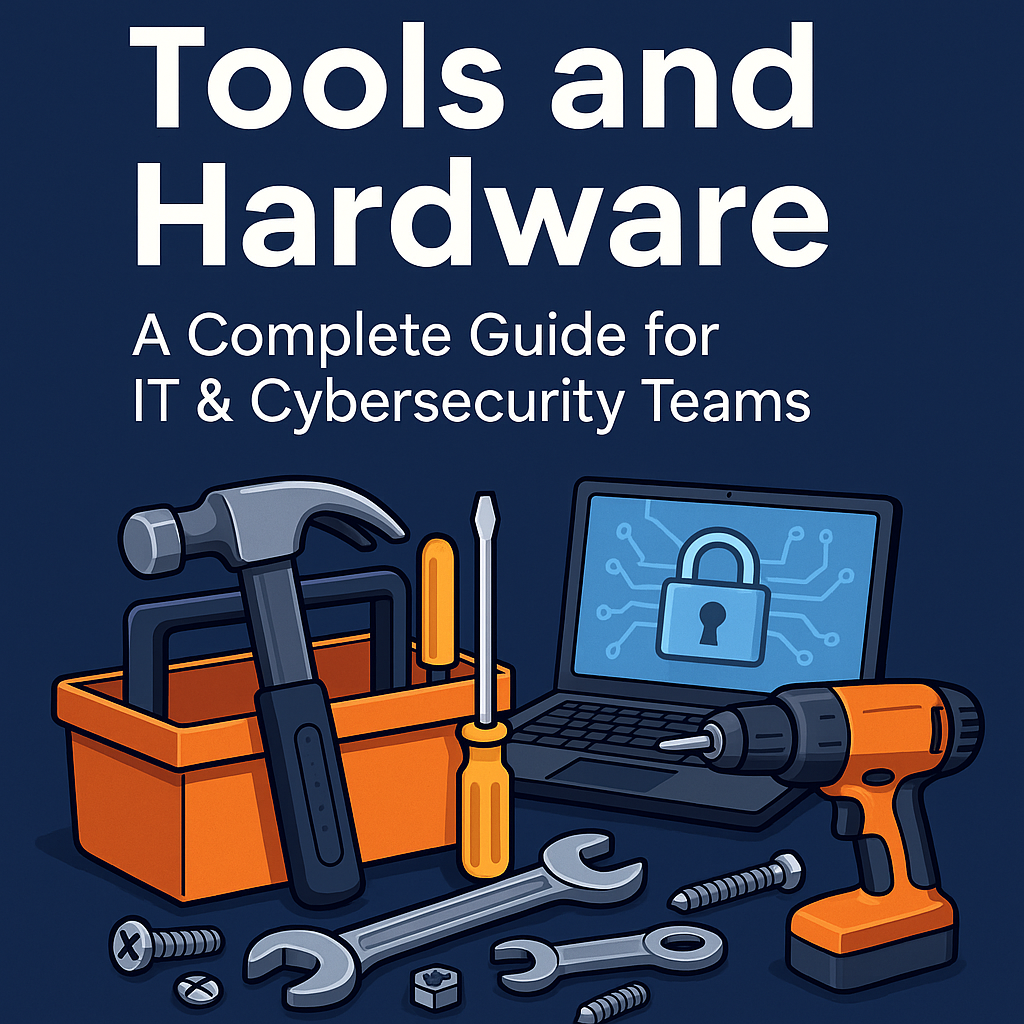
In today’s fast-paced digital ecosystem, tools and hardware play a critical role in keeping networks secure, devices operational, and organizations functioning efficiently. Whether you’re an IT manager, a cybersecurity analyst, a systems engineer, or a CEO evaluating technology investments, understanding the right tools and hardware is essential for productivity, performance, and security.
But what exactly counts as tools and hardware? How do organizations choose the right ones? And how do these technologies support modern security frameworks?
This in-depth guide answers all of that — and much more.
What Are Tools and Hardware?
Primary Keyword: tools and hardware
In IT and cybersecurity, tools and hardware refer to the physical devices and digital applications used to support, manage, and secure technology environments. This includes everything from servers and firewalls to monitoring tools, backup devices, endpoint protection platforms, and specialized security appliances.
In simple terms:
Hardware = Physical components (computers, routers, servers, etc.)
Software Tools = Applications used to manage, secure, or optimize systems
Together, they form the backbone of operational efficiency and cybersecurity protection.
Why Tools and Hardware Matter in Modern IT & Cybersecurity
Without the right tools and hardware, organizations face:
Slow systems
Security vulnerabilities
Operational inefficiencies
Increased downtime
Higher risk of breaches
For cybersecurity teams, having the proper tools is non-negotiable. Threat actors are using advanced attack methods — endpoint exploits, lateral movement, phishing, ransomware, and zero-day vulnerabilities — making strong defenses essential.
Tools and hardware empower teams to:
Detect threats faster
Automate protection
Manage network visibility
Optimize performance
Maintain compliance standards
Reduce human error
Types of Hardware Every Business Needs
Modern businesses rely on a combination of essential devices and advanced equipment. Below is a breakdown of the most important categories.
1. Computers and Workstations
Every organization needs reliable endpoints, including:
Desktop PCs
Laptops
Thin clients
Industrial workstations
These are the primary tools employees use daily.
2. Networking Equipment
Hardware that distributes, secures, and manages traffic:
Routers
Switches
Hubs
Network Interface Cards (NICs)
Access points
This ensures your internal and external communication flows securely.
3. Security Appliances
Critical for preventing cyber intrusions:
Firewalls
Intrusion Prevention Systems (IPS)
Unified Threat Management (UTM) appliances
Secure DNS filtering hardware
Network segmentation devices
4. Data Center Infrastructure
Organizations with higher workloads need:
Rack servers
Storage systems
Backup appliances
Virtualization hosts
Cooling and power systems
5. Peripheral Devices
Supporting business operations:
Printers & scanners
Keyboards/mice
External hard drives
USB authentication keys
Multi-factor security tokens
Essential Software Tools for IT & Security Operations
Hardware alone cannot secure or manage a network — software tools are equally crucial.
Below are the top categories of tools used across IT and cybersecurity.
1. Endpoint Detection & Response (EDR)
Provides real-time threat monitoring for devices.
2. Security Information & Event Management (SIEM)
Collects & analyzes security logs across your environment to detect attacks.
3. Network Monitoring Tools
Track uptime, bandwidth usage, anomalies, and device health.
4. Vulnerability Scanners
Identify risks, outdated software, unpatched systems, and misconfigurations.
5. Backup & Recovery Tools
Protect data against ransomware and system failures.
6. Identity & Access Management (IAM) Tools
Controls user permissions and authentication.
7. Patch Management Tools
Keeps software & hardware secure and updated.
How Tools & Hardware Strengthen Cybersecurity
The right combination of tools and hardware:
✓ Prevents unauthorized access
Firewalls, password managers, and IAM tools create strong barriers.
✓ Detects threats early
EDR, SIEM, and monitoring tools give real-time alerts.
✓ Protects endpoints from ransomware
Endpoint isolation and containment tools stop malware from spreading.
✓ Ensures secure remote access
VPNs, MFA tokens, and secure gateways protect off-site users.
✓ Maintains compliance
Tools generate reports needed for regulations like:
GDPR
HIPAA
PCI-DSS
ISO 27001
Key Features to Look for When Choosing Tools and Hardware
When selecting solutions, prioritize:
1. Scalability
Can the tool or device grow with your business?
2. Compatibility
Does it work with your OS, cloud provider, and existing hardware?
3. Security capabilities
Look for encryption, access controls, and built-in threat detection.
4. Performance
Hardware must handle workload demands without bottlenecks.
5. Automation
Tools that reduce manual tasks improve efficiency & accuracy.
6. Vendor reputation
Choose trusted cybersecurity and IT vendors.
Common Challenges Organizations Face
Even with the best tools, businesses face barriers:
• Budget limitations
High-quality devices and software can be expensive.
• Lack of skilled staff
Many teams don’t have trained cybersecurity professionals.
• Shadow IT
Unauthorized tools create security gaps.
• Poor configuration
Misconfigured firewalls or servers increase risk.
• Outdated hardware
Old devices fail to meet modern security standards.
Best Practices for Managing Tools & Hardware
To optimize your environment:
1. Standardize your tools
Use approved, organization-wide solutions only.
2. Apply frequent updates
Patch systems regularly to remove vulnerabilities.
3. Implement strong access controls
Use MFA, least privilege, and identity verification.
4. Monitor everything
Real-time visibility prevents breaches.
5. Back up data regularly
Use automated and secure backup solutions.
6. Train employees
Human error is the top cause of breaches.
7. Use zero-trust security
Never trust; always verify.
FAQ: Tools and Hardware
1. What are tools and hardware in IT?
They are the physical devices and software applications used to manage, secure, and optimize technology ecosystems.
2. What is the difference between hardware and software tools?
Hardware is physical equipment, while software tools are digital applications that run on devices.
3. Why are security tools important?
They protect systems from malware, ransomware, and cyberattacks.
4. How often should hardware be replaced?
Most devices need replacing every 3–5 years, depending on workload.
5. What tools do cybersecurity teams use?
EDR, SIEM, vulnerability scanners, network monitoring tools, and IAM platforms.
Final Thoughts & Strong CTA
Strong, reliable tools and hardware form the core foundation of every secure, efficient IT environment. Whether you’re safeguarding endpoints, managing networks, or ensuring business continuity, the right combination of hardware devices and cybersecurity tools is essential.
If you want advanced, automated protection for your organization — including endpoint security, containment, monitoring, and threat intelligence — explore Xcitium’s award-winning cybersecurity platform.
👉 Protect your environment now:
https://openedr.platform.xcitium.com/register/

 Loading...