Updated on December 1, 2025, by OpenEDR
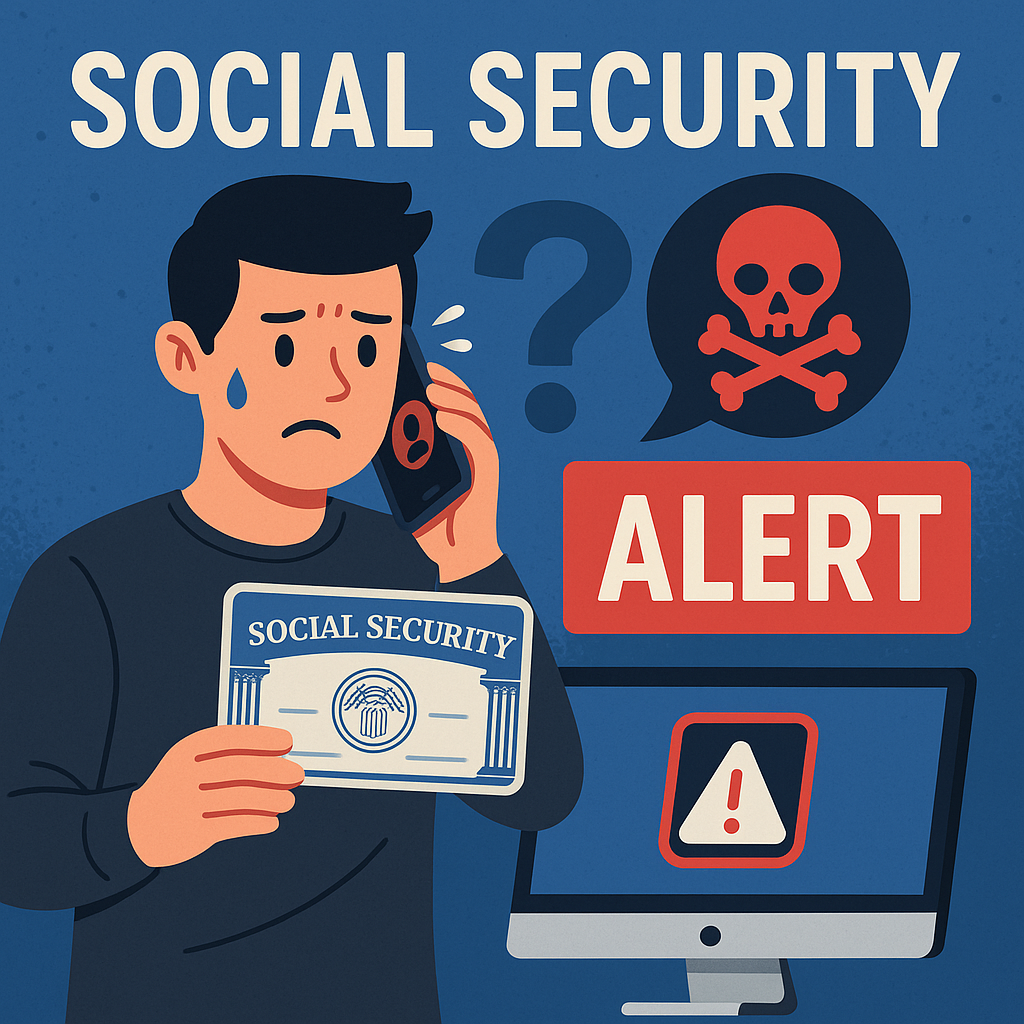
If you’re searching for social security scams, you’re likely concerned about protecting yourself—or your organization—from fraudsters who target Social Security numbers (SSNs). You’re not alone. According to the FTC, over 1.4 million Americans report identity theft annually, and Social Security scams are one of the most common methods used by cybercriminals. Scammers often pretend to be government agents, law enforcement, or financial institutions to steal personal information, money, or both.
Small businesses, IT managers, cybersecurity teams, and everyday citizens must understand how these scams work, how to recognize them, and what to do if targeted. This guide breaks down everything you need to know about social security scams, including how they operate, real examples, and steps you can take to protect yourself and your organization.
What Are Social Security Scams? (Simple Definition)
Social security scams are fraud attempts where criminals impersonate the Social Security Administration (SSA) or other authorities to steal Social Security numbers, financial information, or payments.
These scams typically involve:
Fake phone calls
Phishing emails
Text messages
Fraudulent websites
Identity theft attempts
The scammer’s goal is to steal your Social Security number (SSN), bank information, or convince you to send money via:
Gift cards
Cryptocurrency
Wire transfer
Cash-by-mail
Remember:
👉 The SSA will never call, text, or email you to demand money or threaten your benefits.
Why Social Security Scams Are Increasing
Cybercriminals know that your SSN is one of the most valuable pieces of personal information. With an SSN, they can commit:
Identity theft
Tax fraud
Loan fraud
Credit card fraud
Medical identity theft
These scams are rising for several reasons:
1. More Data Breaches
Massive leaks expose millions of SSNs online.
2. Increased Digital Communication
People trust texts, emails, and phone calls more than ever.
3. Targeting Older Adults
Seniors are frequent victims due to fear and urgency.
4. Remote Work Vulnerabilities
Cybercriminals exploit personal devices and weaker home security.
5. Fraud Tools Are Easier to Access
Scam kits and spoofing tools are sold on the dark web.
How Social Security Scams Work (Step-By-Step)
To understand how to stay safe, you must understand the mechanics of these scams. Most social security scams follow a predictable pattern:
1. Initial Contact
Scammers contact victims through:
Robocalls
Text messages
Emails
Social media
Fake SSA letters
Common opening lines:
“Your Social Security number has been suspended.”
“You owe the government money.”
“Your benefits will stop unless you verify your number.”
2. Creating Fear and Urgency
Scammers pressure you into acting fast.
They claim:
Your SSN is linked to criminal activity
You will be arrested
Your bank account will be frozen
Your benefits will be cut off
Fear creates compliance.
3. Requesting Personal Information
Scammers ask for:
SSN
Date of birth
Bank account number
Address
Medicare ID
Driver’s license number
This information is used for identity theft.
4. Demanding Payment
Scammers sometimes demand money to:
“Reactivate” your SSN
“Avoid arrest”
“Clear charges”
They ask for:
Bitcoin
Gift cards
Wire transfers
Cash mailings
These payment methods are untraceable.
5. Identity Theft & Financial Fraud
Once they have your SSN, scammers can:
Open credit cards
Apply for loans
File fraudulent taxes
Steal medical benefits
Commit employment fraud
This can take years to resolve.
Most Common Types of Social Security Scams
Social security scams come in different forms. Here are the most common ones in 2025:
1. Social Security Phone Scams
Scammers spoof SSA phone numbers to appear legitimate.
Typical phrases:
“This call is to inform you that your Social Security number has been suspended.”
“Press 1 to speak to an officer.”
Red flags:
Threats of arrest
Demands for payment
Requests for your SSN
2. Phishing Emails Claiming to Be From SSA
Emails may look official, using SSA logos and fake account alerts.
Signs of phishing:
Suspicious links
Urgent language
Grammar errors
Unknown sender
Never click a link claiming to “verify” your SSN.
3. Social Security Text Message Scams
SMS messages telling you to click a link or call a number.
Look out for:
“Your SSN is locked”
“Your benefits are suspended”
These are always fake.
4. Fake SSA Website Scams
Cybercriminals create imitation websites that look almost identical to SSA.gov.
These sites may steal:
SSNs
Login credentials
Bank information
5. Medicare & Social Security Combo Scams
Scammers ask for both your Medicare number and SSN.
6. Government Impersonation Scams
Scammers pretend to be:
FBI
IRS
Police
Department of Homeland Security
They claim your SSN is under investigation.
7. Social Media Scams
Fraudsters use fake profiles to message victims about:
“Benefit upgrades”
“Account issues”
Warning Signs You’re Dealing With a Social Security Scam
Recognizing red flags can save you thousands of dollars.
🚫 The SSA will never:
Call and threaten arrest
Ask for payment
Request your SSN over the phone
Demand gift cards
Suspend your number
Warning Signs Include:
Unsolicited contact
High-pressure demands
Requests for sensitive information
Caller ID spoofing
Threatening or emotional language
If it feels urgent or intimidating, it’s a scam.
How to Protect Yourself From Social Security Scams
Here’s how individuals, IT teams, and small businesses can stay protected.
1. Enable Call Blocking
Use your carrier’s spam blocking tools.
2. Freeze Your Credit
This prevents scammers from opening accounts with your SSN.
3. Use Multi-Factor Authentication
Enable MFA on bank, email, and SSA accounts.
4. Never Share Your SSN Over the Phone
Even if the caller claims to be a government agent.
5. Use Secure Password Managers
Avoid reusing passwords across accounts.
6. Monitor Your Credit Report
Use:
AnnualCreditReport.com
Credit monitoring services
7. Check SSA Communications Officially
Log in to SSA.gov to verify alerts.
8. Educate Employees
Businesses should train employees on:
Phishing detection
Secure communication
Fraud prevention
9. Use Identity Theft Protection Tools
Especially useful for executives and seniors.
10. Use EDR / Endpoint Security
Cybersecurity tools like OpenEDR can:
Block malicious websites
Detect phishing attempts
Identify suspicious network activity
What To Do If You Fall Victim to a Social Security Scam
Act fast to minimize damage.
1. Contact the SSA Fraud Hotline
1-800-269-0271
2. Report Identity Theft (IdentityTheft.gov)
File an official report.
3. Freeze Your Credit
Prevents new fraudulent accounts.
4. Notify Your Bank
Monitor transactions for fraud.
5. Change Passwords Immediately
Enable MFA for all accounts.
6. File a Police Report
Useful for documentation.
7. Set Up Credit Monitoring
Watch for suspicious activity.
Cybersecurity Best Practices for Businesses Facing Social Security Scams
Cybercriminals often target HR departments, payroll teams, and executives.
Businesses should:
Implement Zero Trust security
Encrypt all communication
Require MFA for payroll portals
Limit access to SSN-based data
Conduct quarterly training
Deploy EDR/XDR solutions
Use phishing simulation programs
These steps drastically reduce risk.
Future Trends: The Next Generation of Social Security Scams
Cybercriminals are using:
AI-generated voice scams
Deepfake impersonation
AI-written phishing emails
Synthetic identity fraud (fake + real SSN combos)
This makes cybersecurity more important than ever.
FAQs: Social Security Scams
1. Can the SSA suspend your Social Security number?
No. Your SSN can never be suspended or frozen.
2. How do scammers get Social Security numbers?
Data breaches, phishing, online leaks, and social engineering.
3. What should I do if a scammer calls me?
Hang up immediately — never press any buttons.
4. Does the SSA ever call people?
Very rarely, and only if you request a callback. They will not threaten you.
5. What is the safest way to contact the SSA?
Go directly to SSA.gov or call their official number.
Final Thoughts
Social security scams are growing rapidly, powered by new technology and global cybercrime networks. Understanding how these scams work — and how to recognize them — is essential for protecting your identity, finances, and organization. With strong cybersecurity tools, employee awareness, and modern protection strategies, you can significantly reduce your risk.
Cybersecurity is no longer optional; it’s a necessity for every individual and every business.
🚀 Protect Your Digital Identity With OpenEDR®
👉 Register here: https://openedr.platform.xcitium.com/register/

 Loading...