Updated on December 12, 2025, by OpenEDR
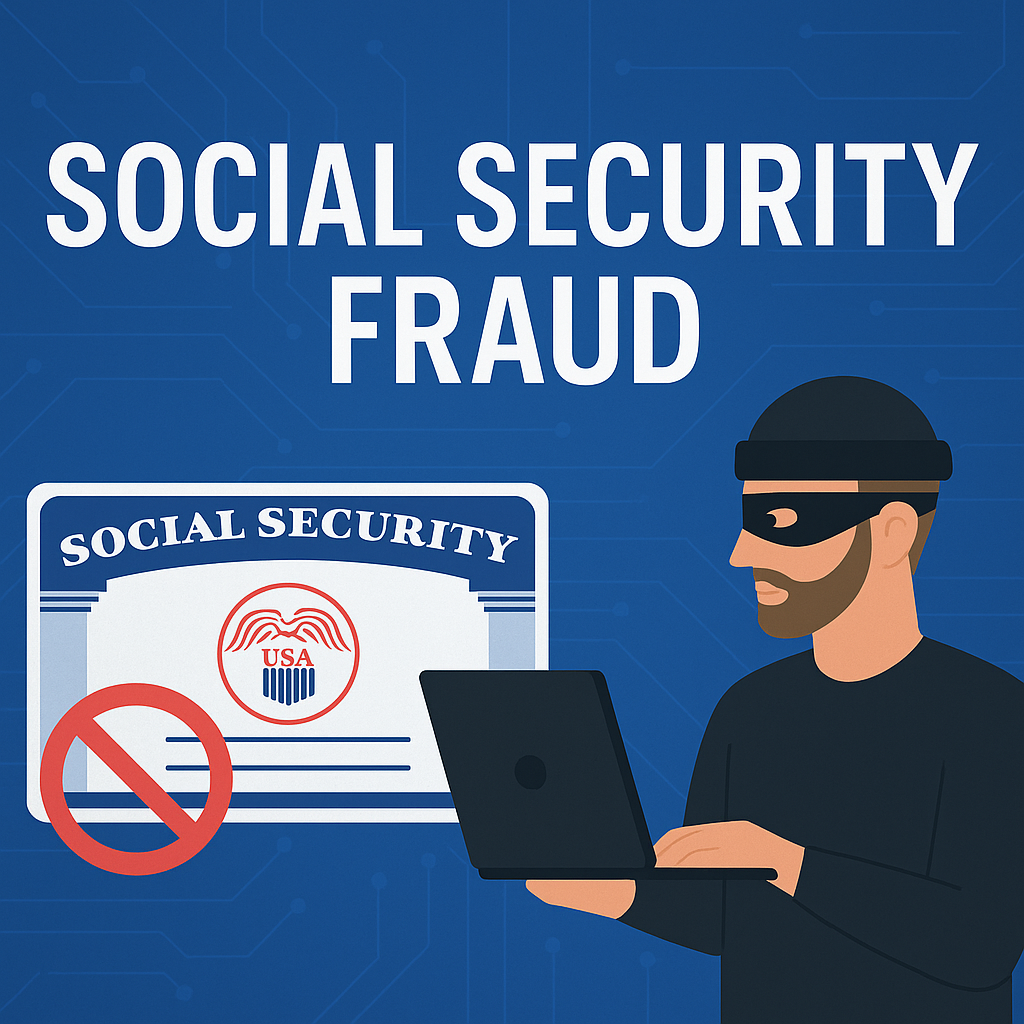
Imagine discovering that someone has been using your Social Security number for years—opening accounts, filing false tax returns, or even receiving government benefits in your name. Unfortunately, this is not a rare scenario. Social security fraud is one of the most damaging and fastest-growing forms of identity fraud today, affecting individuals, businesses, and government systems alike.
As digital services expand and sensitive data becomes more accessible online, criminals are finding new ways to exploit Social Security numbers (SSNs). From phishing emails and phone scams to large-scale data breaches, social security fraud poses serious financial, legal, and reputational risks.
In this guide, we’ll break down social security fraud in detail—what it is, how it works, common scams, warning signs, prevention strategies, and what to do if you or your organization becomes a victim.
What Is Social Security Fraud?
Social security fraud occurs when someone illegally uses another person’s Social Security number or related personal information for financial gain, benefits fraud, or identity theft.
Fraudsters may use stolen SSNs to:
Open credit accounts
File fraudulent tax returns
Apply for government benefits
Obtain employment illegally
Access healthcare or insurance
Because SSNs are permanent identifiers, the damage from social security fraud can last for years.
Why Social Security Fraud Is a Growing Threat
Understanding social security fraud starts with recognizing why it’s becoming more common.
1. Massive Data Breaches
Large-scale breaches expose millions of SSNs at once, fueling fraud for years.
2. Increased Digital Services
Online access to government and financial services creates more attack opportunities.
3. Sophisticated Social Engineering
Scammers use realistic emails, texts, and phone calls to trick victims.
4. Black Market Demand
SSNs are highly valuable on underground markets because they’re difficult to change.
5. Remote and Hybrid Work
More digital onboarding and verification processes create identity gaps criminals exploit.
Common Types of Social Security Fraud
Social security fraud takes many forms. Knowing the most common types helps with early detection.
1. Identity Theft Using SSNs
Criminals use stolen SSNs to:
Open bank accounts
Apply for loans
Obtain credit cards
Victims often discover the fraud through credit reports or collection notices.
2. Government Benefits Fraud
Fraudsters may use another person’s SSN to claim:
Social Security retirement benefits
Disability benefits
Unemployment insurance
This can delay or block legitimate benefits for victims.
3. Employment Fraud
Someone uses a stolen SSN to get a job, leaving victims with:
Incorrect earnings records
Unexpected tax liabilities
4. Tax Refund Fraud
Criminals file false tax returns early in the season to claim refunds.
5. Medical Identity Theft
Stolen SSNs are used to obtain medical services, corrupting health records.
Common Social Security Fraud Scams
Many social security fraud cases start with scams designed to steal personal information.
1. Fake Social Security Administration Calls
Scammers claim:
Your SSN is suspended
You’re under investigation
Immediate action is required
They pressure victims to share information or make payments.
2. Phishing Emails and Texts
Messages appear to come from:
Government agencies
Banks
Employers
Links lead to fake websites designed to harvest SSNs.
3. Tech Support Scams
Attackers claim a security issue requires verification of personal data.
4. Job Offer Scams
Fake employers request SSNs during “onboarding.”
5. Romance and Trust Scams
Victims are manipulated into sharing sensitive information over time.
Warning Signs of Social Security Fraud
Early detection reduces damage. Watch for these red flags.
Common indicators include:
Unrecognized accounts on credit reports
IRS notices for unknown tax filings
Denied benefits without explanation
Unexpected wage records
Calls from debt collectors
Healthcare bills for services you never received
Ignoring these signs can allow fraud to escalate.
Impact of Social Security Fraud
The consequences of social security fraud are serious and long-lasting.
1. Financial Loss
Victims may face:
Damaged credit
Lost benefits
Legal expenses
2. Emotional Stress
Restoring identity can take months or years.
3. Legal and Compliance Issues
Incorrect records may trigger audits or investigations.
4. Business Risk
Organizations dealing with compromised employee or customer SSNs face:
Regulatory penalties
Reputational damage
Operational disruption
How Social Security Fraud Affects Businesses
Social security fraud isn’t just a personal issue—it’s a business risk.
1. HR and Payroll Exposure
Compromised SSNs can lead to:
Incorrect tax filings
Wage disputes
Compliance failures
2. Insider and Identity Abuse
Fraudulent identities may be used to gain internal access.
3. Regulatory Consequences
Data protection laws require safeguarding sensitive personal data.
4. Increased Cybersecurity Risk
SSN theft often accompanies broader data breaches.
How to Prevent Social Security Fraud (Individuals)
Preventing social security fraud starts with good security habits.
1. Protect Your SSN
Share it only when absolutely necessary
Avoid carrying SSN cards
2. Be Skeptical of Unsolicited Requests
The Social Security Administration will not:
Threaten arrest
Demand immediate payment
Ask for SSNs via email or text
3. Monitor Credit Reports
Check reports regularly for suspicious activity.
4. Use Strong Authentication
Enable multi-factor authentication wherever possible.
5. Secure Personal Devices
Keep systems updated and protected from malware.
How Organizations Can Prevent Social Security Fraud
Businesses must take proactive steps to reduce risk.
1. Minimize SSN Collection
Only collect SSNs when legally required.
2. Encrypt Sensitive Data
Protect SSNs at rest and in transit.
3. Implement Access Controls
Limit who can view or modify SSN data.
4. Train Employees
Awareness reduces phishing and social engineering success.
5. Monitor Endpoint Activity
Many fraud incidents begin with compromised endpoints.
Advanced endpoint detection and response solutions help detect suspicious behavior before data is exfiltrated.
What to Do If You’re a Victim of Social Security Fraud
If you suspect social security fraud, act immediately.
Step-by-step response:
Contact the Social Security Administration
File a report with the FTC
Place a fraud alert or credit freeze
Review credit reports
Notify affected financial institutions
Monitor activity continuously
Quick action limits long-term damage.
The Role of Cybersecurity in Fighting Social Security Fraud
Modern social security fraud is deeply tied to cybercrime.
Cybersecurity helps by:
Detecting credential theft
Preventing data exfiltration
Identifying abnormal access behavior
Containing compromised systems
Endpoint visibility and Zero Trust principles play a critical role in protecting sensitive identity data.
Future Trends in Social Security Fraud
Fraud tactics continue to evolve.
Emerging trends include:
AI-driven phishing campaigns
Deepfake voice scams
Automated identity abuse
Cross-border fraud networks
Organizations and individuals must adapt defenses accordingly.
Best Practices for Long-Term Protection
Long-term protection requires layered defenses.
Recommended actions:
Continuous monitoring
Strong identity verification
Least-privilege access
Regular security audits
Advanced endpoint protection
Security is not a one-time task—it’s an ongoing process.
Frequently Asked Questions (FAQ)
1. What is social security fraud?
It’s the illegal use of a person’s Social Security number for financial gain or benefits fraud.
2. How do scammers get SSNs?
Through data breaches, phishing scams, insider threats, or stolen documents.
3. Can social security fraud be reversed?
Damage can be reduced, but recovery often takes time and ongoing monitoring.
4. How can businesses reduce social security fraud risk?
By limiting SSN access, encrypting data, training staff, and monitoring endpoints.
5. Is social security fraud increasing?
Yes. Digital services and large data breaches have significantly increased risk.
Final Thoughts
Social security fraud is one of the most damaging forms of identity crime, affecting individuals and organizations alike. As attackers become more sophisticated, prevention depends on awareness, strong cybersecurity practices, and rapid response.
Protecting Social Security numbers is no longer just a personal responsibility—it’s a shared challenge that requires cooperation between individuals, businesses, and security professionals.
👉 Want to strengthen endpoint visibility and stop identity-based attacks before data is stolen?
Start with Xcitium OpenEDR® today:
https://openedr.platform.xcitium.com/register/

 Loading...