Updated on December 9, 2025, by OpenEDR
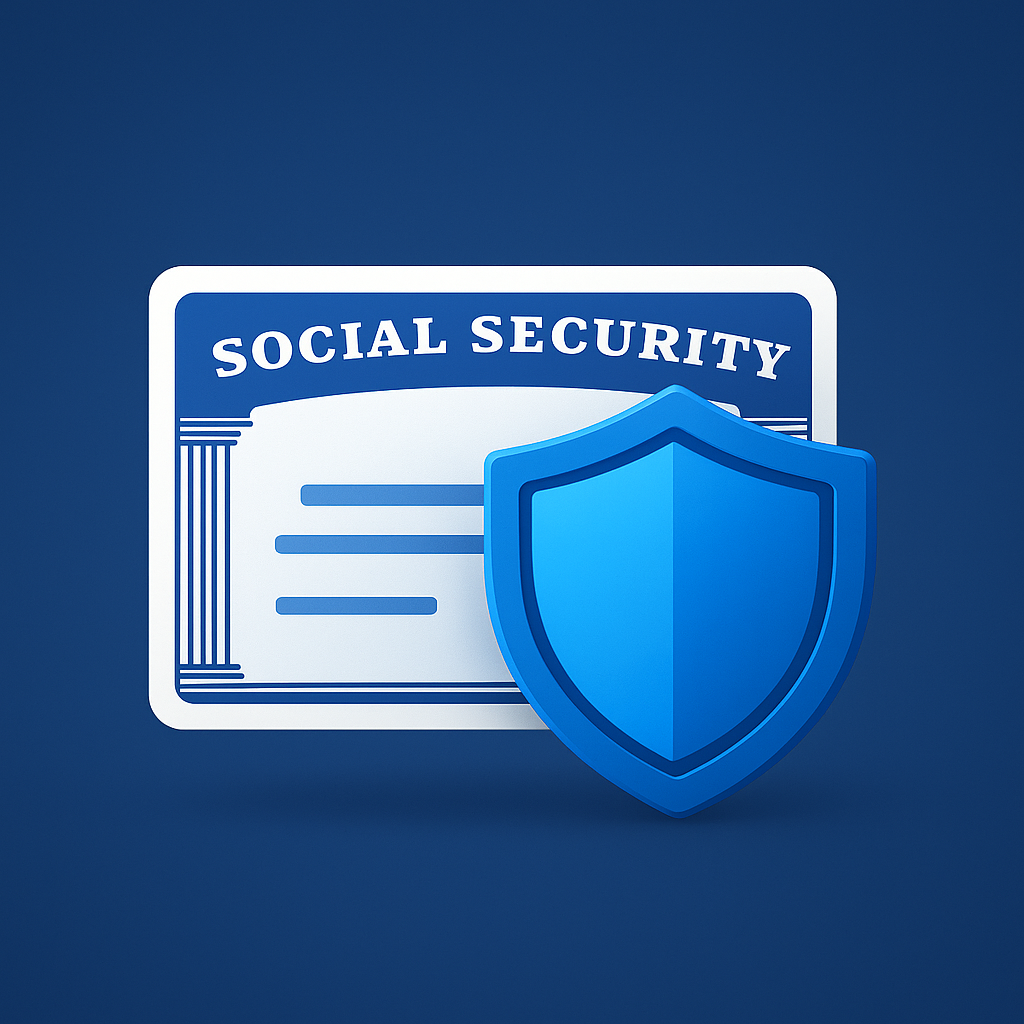
Every year, millions of Americans fall victim to identity theft—one of the fastest-growing crimes in the world. Social Security numbers (SSNs) are among the most valuable pieces of personal data targeted by cybercriminals. In fact, according to recent cybersecurity studies, over 1,000 SSN-related fraud cases occur every single day. This alarming trend has led government agencies, private organizations, and cybersecurity experts to strengthen their social security antifraud systems to protect citizens from financial loss and identity misuse.
Whether you are a cybersecurity specialist, IT manager, CEO, or a digital security enthusiast, understanding how social security antifraud mechanisms work—and how to implement them—is essential in today’s era of rising cyber threats. This guide explores the major fraud schemes, the safeguards in place, and the best antifraud strategies for individuals and organizations.
What Is Social Security Antifraud?
Social security antifraud refers to technologies, procedures, and policies designed to detect, prevent, and mitigate fraud involving Social Security numbers and benefits. These antifraud systems protect individuals from identity theft and financial crime while helping government agencies maintain data integrity.
Cybercriminals frequently target Social Security numbers because they serve as lifelong identifiers that unlock access to banking, healthcare, tax returns, and employment benefits. Effective antifraud systems help close these vulnerabilities.
Why Social Security Antifraud Matters in a Cybersecurity-Driven World
In 2025, identity fraud is more sophisticated than ever. Attackers use advanced tools—AI-driven phishing, dark web marketplaces, social engineering—to obtain SSNs and exploit them for profit.
1. SSNs Are Central to Digital Identity
A stolen SSN can be used to:
open bank accounts
apply for loans
file fraudulent tax returns
claim government benefits
2. Cybercriminals Target Vulnerable Systems
Legacy systems or outdated security controls make it easier for criminals to:
breach databases
intercept communications
steal stored credentials
3. Fraud Has Multi-Billion-Dollar Costs
Social Security-related fraud costs citizens and businesses billions every year.
4. Hybrid Work Increases Identity Theft Risk
Remote employees often access sensitive information from:
home networks
inadequately protected devices
unsecured Wi-Fi
Social security antifraud approaches help reduce risk across distributed environments.
Common Types of Social Security Fraud Cybersecurity Teams Must Address
Understanding how fraud occurs is the first step toward preventing it. Below are the most common methods criminals use to exploit SSNs.
1. Identity Theft Using Stolen SSNs
Cybercriminals buy and sell stolen SSNs on the dark web.
These stolen identities are used to:
file tax returns
claim benefits
open credit lines
2. Social Security Phone Scams
Fraudsters impersonate government agents, telling victims:
“Your SSN has been suspended—verify your number.”
This is a classic social engineering attack.
3. Phishing Emails Pretending to Be the SSA
Emails may contain:
fake alerts
malicious links
credential harvesting pages
4. Data Breaches Exposing SSNs
Major corporations, hospitals, and government entities have suffered data breaches exposing millions of SSNs.
5. Synthetic Identity Fraud
Criminals combine real SSNs with fake names and details to build entirely new identities.
6. Account Takeover Fraud
Attackers gain access to Social Security accounts through:
weak passwords
password reuse
credential stuffing
Free antivirus tools alone cannot defend against these sophisticated mechanisms; organizations must leverage stronger antifraud strategies.
Key Components of a Social Security Antifraud System
A robust antifraud framework includes both technical and administrative safeguards.
1. Identity Verification (IDV)
High-trust identity verification prevents fraudulent account creation.
Methods include:
multi-factor authentication (MFA)
document verification
biometric authentication
digital identity scoring
2. Behavioral Analytics
AI and machine learning analyze:
login patterns
device fingerprints
geographic behavior
Unusual activity triggers alerts or containment.
3. Fraud Detection Algorithms
Modern antifraud systems compare user behavior against known fraud profiles.
4. Endpoint Security & Containment
Cybercriminals often target endpoints to steal SSNs.
Tools like Xcitium ZeroDwell Containment prevent unknown threats before they execute.
5. Data Encryption
Protects SSNs both in transit and at rest.
6. Audit Trails & Monitoring
Tracks:
access attempts
system changes
suspicious activities
7. Public Awareness Campaigns
Fraud prevention includes educating the public about:
phone scams
phishing
digital hygiene
How Cybercriminals Exploit Weak Social Security Systems
To effectively implement social security antifraud measures, cybersecurity leaders must understand how criminals bypass protections.
1. Exploiting Weak Passwords
Many SSN-related accounts still rely on simple passwords.
2. Targeting Call Centers
Fraudsters use social engineering tactics to trick support staff.
3. Using Malware to Capture Data
Keyloggers and spyware on infected devices capture:
keystrokes
screenshots
stored credentials
4. Intercepting Unsecured Communications
Attackers exploit:
public Wi-Fi
unencrypted emails
outdated VPNs
5. Purchasing SSNs Online
Cybercriminals buy SSNs from dark web vendors who harvest them from breaches.
Best Practices for Social Security Antifraud in Organizations
IT managers and cybersecurity leaders must implement comprehensive antifraud protocols.
1. Enforce Multi-Factor Authentication (MFA)
MFA reduces the success rate of account takeover attacks dramatically.
2. Use AI-Based Threat Detection
AI helps identify:
unusual login locations
suspicious device behavior
automated bot activity
3. Implement Zero Trust Architecture
Zero trust means:
no device is trusted by default
continuous authentication
segmentation of sensitive systems
4. Use Real-Time Endpoint Protection
Solutions like Xcitium OpenEDR protect against:
malware
spyware
ransomware
zero-day threats
5. Patch Vulnerabilities Regularly
Old software is a major cause of identity breaches.
6. Encrypt Sensitive Data
Preventing unauthorized access is key to protecting SSNs.
7. Conduct Regular Employee Training
Most SSN fraud originates from human error or phishing.
Social Security Antifraud for Consumers: What Individuals Should Do
Even individuals can significantly reduce their risk of SSN fraud.
✔ Freeze your credit
✔ Monitor your financial statements
✔ Use strong passwords + MFA
✔ Avoid sharing your SSN unless absolutely necessary
✔ Never trust unsolicited phone calls
✔ Keep your devices clean with reliable security software
Industry-Specific SSN Fraud Risks
Social Security antifraud is especially critical in:
Healthcare
Hospitals store SSNs for patient identification.
Attackers target medical records for high resale value.
Finance
Banks require SSNs for account creation and loan approval.
Education
Institutions store student SSNs, making them vulnerable during data breaches.
Retail
Insider threats can expose customer identity data.
Government Agencies
SSA, IRS, and state agencies are constantly targeted for fraud.
How AI Improves Social Security Antifraud
Artificial intelligence enhances antifraud efforts by enabling:
1. Predictive Modeling
AI predicts likely fraud attempts based on historical data.
2. Automated Risk Scoring
Users or transactions receive real-time trust scores.
3. Behavioral Anomaly Detection
AI flags:
rapid account changes
suspicious withdrawals
device switching
4. Automated Containment
Tools like Xcitium isolate threats before they cause damage.
AI-driven antifraud systems dramatically outperform manual solutions.
Common Signs of Social Security Fraud
Victims may notice:
• Unexpected credit inquiries
• New accounts opened in their name
• Missing or delayed government checks
• IRS notices about unfamiliar tax filings
• Medical bills for services not received
• Notifications of data breaches involving their SSN
Early detection is crucial to minimize financial and identity damage.
Building a Social Security Antifraud Framework for Large Organizations
A complete antifraud framework should include:
1. Identity governance tools
2. Endpoint detection & response (EDR)
3. Fraud monitoring dashboards
4. Encryption and tokenization
5. AI-driven risk engines
6. Employee cybersecurity training
7. Incident response plans
Each component strengthens the overall antifraud posture.
Conclusion: Social Security Antifraud Is Essential for Modern Digital Security
In a world where cybercriminals evolve quickly and identity theft grows more sophisticated, social security antifraud mechanisms are no longer optional—they are foundational to cybersecurity strategy. Organizations must combine strong identity verification, endpoint security, AI-based analytics, and employee education to safeguard Social Security numbers from fraud.
Individuals must also take proactive steps: using MFA, monitoring credit, and understanding phishing risks.
Whether you’re an IT manager, cybersecurity analyst, CEO, or privacy-focused individual, the time to strengthen antifraud defenses is now.
Protect Your Identity and Systems with Xcitium
Get advanced, enterprise-grade protection against malware, breaches, and digital identity fraud.
👉 Register for free with OpenEDR:
https://openedr.platform.xcitium.com/register/
FAQ: Social Security Antifraud
1. What is social security antifraud?
It includes tools and strategies to detect, prevent, and respond to SSN-related fraud.
2. How do criminals steal Social Security numbers?
Phishing, data breaches, scams, malware, and social engineering.
3. Can businesses use free antivirus tools to stop SSN fraud?
No. Free tools lack the advanced protection needed for identity-related threats.
4. What should individuals do if they suspect SSN fraud?
Freeze credit, report to the FTC, change passwords, enable MFA, and monitor accounts.
5. What technology best prevents identity theft?
Zero Trust frameworks, AI-based detection, endpoint containment, and encrypted data systems.

 Loading...