Updated on November 13, 2025, by OpenEDR
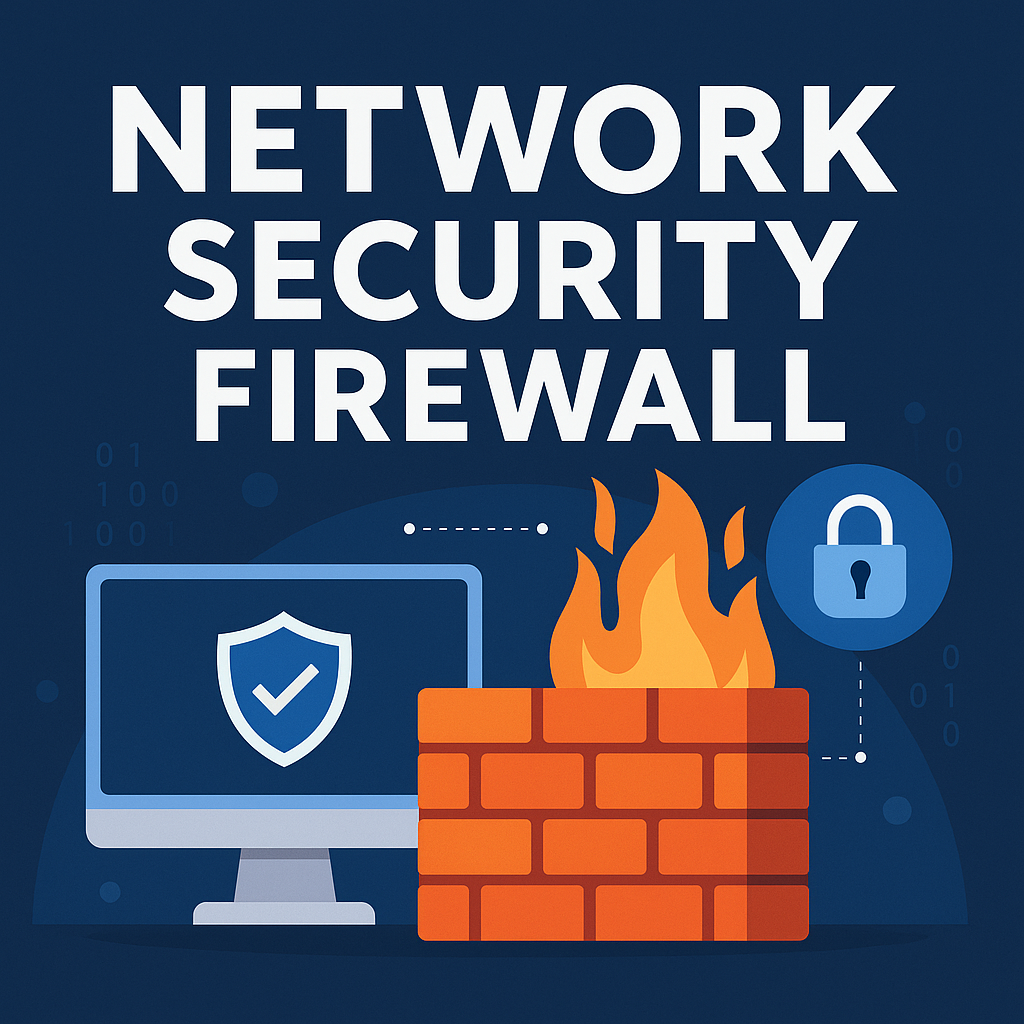
Today’s businesses face more cyber threats than ever before — ransomware, phishing, botnets, data theft, insider attacks, and countless others. One of the most important defenses against these threats is a network security firewall.
If you’ve ever wondered what a firewall really does, why it matters, or how to choose the right one, you’re in the right place.
In this guide, we break down everything you need to know in a clear, conversational way — without the confusing jargon.
What Is a Network Security Firewall?
A network security firewall is a system that monitors and controls incoming and outgoing traffic according to predefined security rules. Think of it as a digital security guard that checks every packet of data entering or leaving your network.
It decides:
What traffic is safe
What traffic is suspicious
What traffic must be blocked
Firewalls can be hardware-based, software-based, or cloud-based — and today’s advanced versions even use AI, behavior analytics, and signatures to stop threats in real time.
Why Firewalls Matter More Than Ever
Cyberattacks increased over 38% in the past year, and most of them target business networks.
A firewall acts as your first line of defense — preventing unauthorized access and keeping attackers out.
How Does a Network Security Firewall Work?
Firewalls filter traffic based on specific parameters. Here’s how:
1. Packet Filtering
Inspects individual data packets and blocks anything suspicious.
2. Stateful Inspection
Monitors active connections to verify whether traffic is legitimate.
3. Proxy-Based Filtering
Acts as an intermediary between your internal network and the internet.
4. Next-Generation Firewall (NGFW)
Includes deep packet inspection, intrusion prevention, and threat intelligence.
5. Zero-Trust Policy Enforcement
Only approved applications and users can interact with network resources.
These layers work together to give businesses strong, multi-defense protection.
Types of Network Security Firewalls
Firewalls come in different forms depending on your organization’s needs:
1. Hardware Firewalls
Physical devices installed between your internal network and the internet.
Great for:
Enterprises
Data centers
Environments needing high performance
2. Software Firewalls
Installed on individual devices like laptops or servers.
Great for:
Endpoints
BYOD environments
Remote teams
3. Cloud-Based Firewalls (FWaaS)
Hosted in the cloud and scalable.
Great for:
Multi-location companies
Remote-first businesses
Fast-growth organizations
4. Next-Generation Firewalls (NGFW)
Combine traditional firewall functions with advanced threat detection.
Includes:
Sandboxing
DPI (Deep Packet Inspection)
IPS/IDS (Intrusion Prevention/Detection)
Application-level filtering
Top Benefits of Network Security Firewalls
🔹 1. Prevent Unauthorized Access
Stops hackers and malicious traffic from entering your network.
🔹 2. Protects Sensitive Data
Firewalls ensure your business data stays safe from breaches.
🔹 3. Monitors Traffic Activity
Logs everything — helpful for compliance audits and forensic investigations.
🔹 4. Reduces Malware & Ransomware Attacks
Blocks malicious payloads before they reach users.
🔹 5. Supports Remote Workforce Security
VPN and identity verification features secure remote access.
🔹 6. Enhances Network Performance
Filters out unproductive or harmful traffic.
Common Threats Stopped by Firewalls
Your network security firewall helps protect against:
Ransomware
Zero-day exploits
Distributed Denial-of-Service (DDoS)
Phishing-based intrusions
Spyware and malware
Botnet attacks
Internal threat behaviors
Without a firewall, these threats can easily infiltrate and spread inside your business systems.
Key Features to Look for in a Modern Firewall
If you’re selecting a firewall solution, make sure it includes the following features:
✔ Intrusion Detection and Prevention (IDS/IPS)
Stops active attacks and unusual behavior.
✔ Deep Packet Inspection (DPI)
Analyzes the contents of traffic thoroughly — not just the surface-level headers.
✔ Threat Intelligence Updates
Real-time updates to keep up with new threats.
✔ Application-Level Filtering
Blocks or allows apps based on policies.
✔ Secure Remote Access (VPN)
Protects remote employees and distributed teams.
✔ Zero Trust & Microsegmentation
Reduce attack surface by isolating systems.
How Firewalls Fit Into a Larger Security Strategy
A network security firewall is essential — but it’s only one component. For full protection, businesses need a layered approach:
The Ultimate Cybersecurity Stack Includes:
Firewall
Endpoint detection and response (EDR)
Network monitoring tools
Data loss prevention (DLP)
SIEM for event correlation
Zero-trust access controls
Ransomware containment technology
Firewalls stop threats at the perimeter — the rest protect everything inside.
Choosing the Right Network Security Firewall
Consider these factors:
1. Business Size & Traffic Volume
Larger organizations need more robust throughput.
2. Cloud vs On-Premises
Hybrid setups may require both.
3. Compliance Requirements
PCI-DSS, HIPAA, NIST, etc.
4. Threat Environment
Industries like finance and healthcare require stronger firewalls.
5. Need for Automation
AI-enhanced firewalls reduce manual work for IT teams.
Best Practices for Using Firewalls Effectively
Here’s how to get the best protection:
Regularly update firewall rules
Segment your internal network
Use multifactor authentication
Set up VPN for remote users
Log and monitor all firewall activity
Conduct penetration tests
Enable automatic security patches
Frequently Asked Questions (FAQ)
1. What is a network security firewall?
A firewall is a security system that monitors and controls network traffic based on security rules to prevent unauthorized access.
2. Are firewalls enough to protect a business?
Not alone — but essential. Firewalls should be combined with EDR, DLP, and zero-trust strategies.
3. What’s the difference between a traditional firewall and NGFW?
NGFW includes advanced features like deep packet inspection, app control, and intrusion prevention.
4. Do small businesses need firewalls?
Absolutely — small businesses are targeted more often due to weaker defenses.
5. Can firewalls stop ransomware?
Firewalls block suspicious traffic, but pairing them with ransomware containment provides the strongest protection.
Final Thoughts
A network security firewall is one of the most important defenses any business can deploy. It protects your data, employees, and operations from ever-evolving cyber threats.
But a firewall alone isn’t enough.
If you want complete protection that includes network defense, endpoint containment, and real-time threat prevention, try Xcitium’s innovative security platform — built to stop threats before they spread.
👉 Get your free access today:
https://openedr.platform.xcitium.com/register/

 Loading...