Updated on December 11, 2025, by OpenEDR
Cyberattacks are growing more complex and more frequent—costing businesses billions in downtime, data loss, and reputational damage. As a result, organizations of all sizes are turning to IT security services to strengthen their defenses, secure digital assets, and stay compliant with industry regulations. But what exactly do these services include, and how do they protect your company?
In this comprehensive guide, we break down everything you need to know about IT security services, how they work, why they’re essential, and the best strategies to implement for long-term protection. Whether you’re an IT manager, cybersecurity specialist, CEO, or founder, understanding these services is key to building a resilient security posture.
What Are IT Security Services? (Simple Definition)
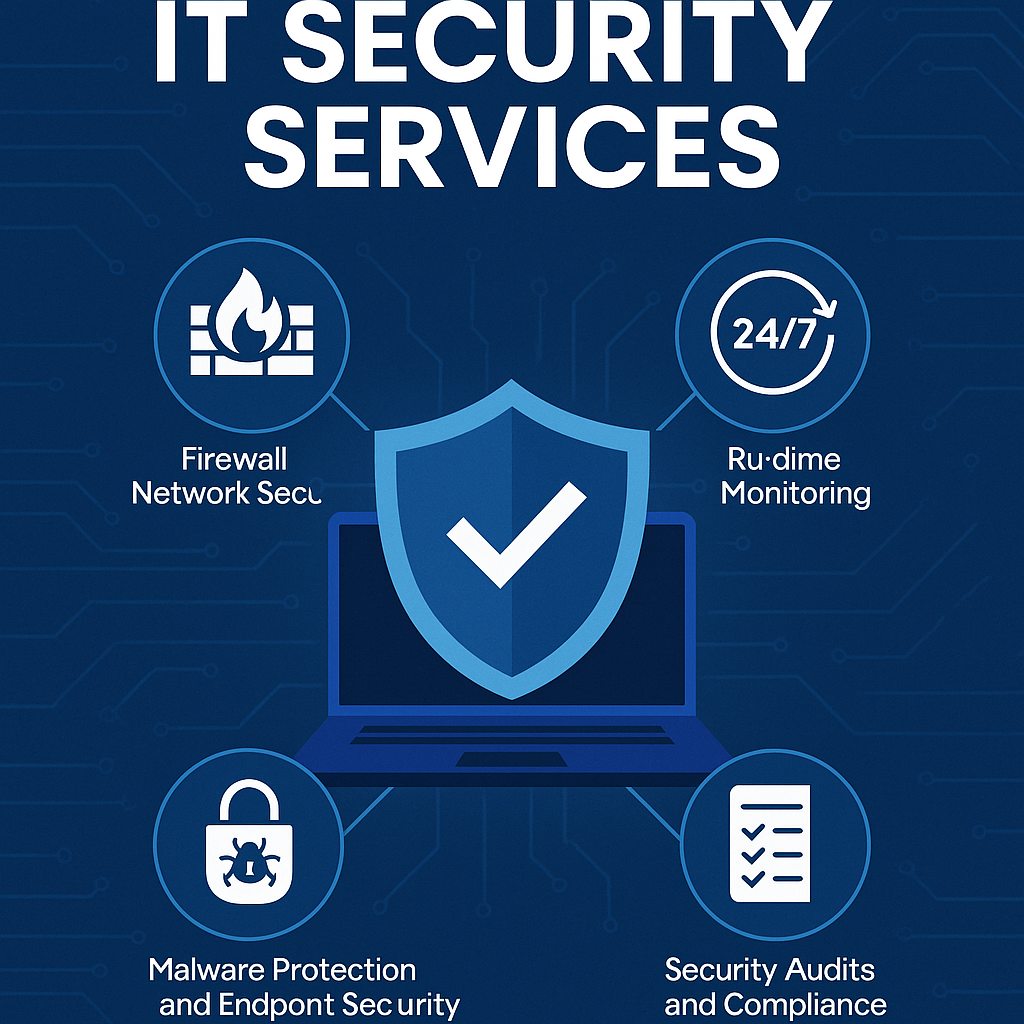
IT security services consist of the tools, processes, and professional expertise used to protect an organization’s IT infrastructure from cyber threats. These services help businesses detect, prevent, and respond to attacks targeting networks, endpoints, cloud systems, applications, and sensitive data.
IT security services serve as the backbone of any strong cybersecurity strategy.
Why IT Security Services Are Essential for Modern Organizations
Before exploring the types of services available, it’s important to understand why they matter more than ever.
1. Cyber Threats Are More Advanced
Attackers use:
AI-driven malware
Zero-day exploits
Phishing kits
Social engineering
Ransomware-as-a-Service (RaaS)
Organizations must match this sophistication with advanced cybersecurity solutions.
2. Businesses Store More Sensitive Data
From financial records to customer information, companies manage large volumes of mission-critical data.
3. Compliance Requirements Are Growing
Regulations such as:
GDPR
HIPAA
PCI-DSS
CCPA
require strong security controls.
4. Remote Work Expanded the Attack Surface
Unsecured home networks and personal devices increase risk.
5. Reputation and Trust Are at Stake
A single breach can destroy customer confidence and cause long-term financial damage.
Types of IT Security Services
A strong cybersecurity strategy includes multiple service layers. Below are the core offerings most organizations rely on.
1. Managed Security Services (MSSP)
Managed security services outsource cybersecurity operations to experts who monitor and protect your environment 24/7.
Services include:
Security monitoring
Threat detection
Incident response
Firewall and VPN management
Vulnerability scanning
MSSPs offer cost-effective access to enterprise-grade security.
2. Endpoint Security Services
Endpoints—such as laptops, mobile devices, desktops, and servers—are top targets for attackers.
Endpoint security services include:
Endpoint Detection and Response (EDR)
Antivirus and anti-malware
Application control
Zero Trust access controls
Device encryption
Tools like Xcitium OpenEDR® provide visibility, threat protection, isolation, and remediation capabilities.
3. Network Security Services
Network protection is essential for preventing unauthorized access and stopping threats before they enter critical systems.
Services include:
Firewalls
Intrusion Detection and Prevention Systems (IDS/IPS)
Network segmentation
Secure Wi-Fi setups
Virtual Private Networks (VPN)
4. Cloud Security Services
Cloud adoption continues to grow, requiring specialized security controls.
Services include:
Cloud backup and disaster recovery
Cloud Access Security Broker (CASB)
Secure configuration and posture management
Identity and access management (IAM)
5. Security Awareness Training
Human error causes over 80% of breaches.
Training programs teach employees to:
Spot phishing scams
Use strong passwords
Follow secure work-from-home practices
Report suspicious activity
6. Vulnerability Management
Proactive risk reduction by:
Scanning systems for weaknesses
Prioritizing vulnerabilities
Patch management
Compliance audits
7. Incident Response Services
When breaches occur, quick action is critical.
Incident response teams provide:
Threat containment
Malware removal
Forensics
Root cause analysis
Reporting and compliance documentation
8. Identity and Access Management (IAM)
IAM governs who can access what.
Services include:
Multi-factor authentication (MFA)
Single sign-on (SSO)
Privileged access management (PAM)
Zero Trust identity controls
9. Application Security Services
Apps present major attack surfaces.
Services include:
Penetration testing
Code analysis
API security
App shielding & RASP
Secure software development lifecycle (SSDLC)
10. Data Security Services
Data must be protected at every stage.
Services include:
Encryption
Data loss prevention (DLP)
Backup and recovery
Data access governance
11. Cybersecurity Consulting & Strategy
Experts help organizations design, implement, and optimize security programs.
Key Benefits of IT Security Services
Here’s why every organization should invest in IT security services.
1. Continuous Protection
24/7 monitoring ensures rapid detection of threats.
2. Reduced Risk of Breaches
Strong defenses lower the chance of financial loss and reputational damage.
3. Cost Savings
Hiring full internal security teams is expensive; outsourcing lowers costs.
4. Compliance Support
Audits, documentation, and security frameworks help meet regulatory requirements.
5. Better Business Continuity
Security services ensure you stay operational during cyber incidents.
Cyber Threats IT Security Services Help Prevent
Modern threats include:
Ransomware
Malware and trojans
Phishing scams
Zero-day attacks
Insider threats
Credential theft
DDoS attacks
Social engineering
Security services defend against all these threats and more.
Core Components of a Strong IT Security Strategy
Every organization should implement these key elements.
1. Zero Trust Architecture
Never trust—always verify.
2. Multi-Layered Defense (Defense in Depth)
Use multiple security controls at every stage of the attack chain.
3. Continuous Monitoring
Visibility is critical for detection and response.
4. Secure Backup Strategy
Follow the 3-2-1 rule:
3 copies of data
2 types of storage
1 offsite backup
5. Rapid Threat Isolation
Tools like Xcitium’s containment technology instantly isolate threats to prevent damage.
How to Choose the Right IT Security Services Provider
When evaluating providers, consider:
1. Experience & Reputation
Look for proven success and industry certifications.
2. Range of Services
Providers should cover endpoints, cloud, networks, and data.
3. 24/7 Monitoring
Cyber threats don’t sleep—and neither should your defenses.
4. Zero Trust Support
Modern architectures require identity-first security models.
5. Cost vs. Value
Balance budgets with risk reduction.
Building a Customized IT Security Plan
A strong plan follows these steps:
1. Assess Your Current Risks
Scan for vulnerabilities and gaps.
2. Identify Critical Assets
Protect:
Customer data
Intellectual property
Operational systems
3. Apply Appropriate Controls
Use the right mix of:
Preventive
Detective
Responsive
controls.
4. Deploy Security Tools
Implement:
EDR
SIEM
MFA
Encryption
5. Monitor and Improve Continuously
Cybersecurity is ongoing—not one-and-done.
Future Trends in IT Security Services
Looking ahead, organizations should prepare for:
1. AI-Powered Threat Detection
Real-time behavioral analytics.
2. Secure Access Service Edge (SASE)
Combines networking and security in the cloud.
3. Quantum-Resistant Encryption
Preparing for next-generation cyber risks.
4. Autonomous Response Systems
AI-enabled automated threat containment.
5. IoT and OT Security Expansion
Industrial systems need dedicated protection.
Frequently Asked Questions (FAQ)
1. What are IT security services?
They are professional tools and processes used to protect networks, devices, data, and applications from cyber threats.
2. Why do businesses need cybersecurity services?
To reduce breach risks, maintain compliance, and protect digital assets.
3. How much do IT security services cost?
Costs vary based on organization size and needs—managed services are often more affordable than hiring internal teams.
4. What’s the difference between IT security and cybersecurity?
Cybersecurity focuses on protecting digital assets, while IT security includes physical and administrative controls.
5. Which IT security service is most important?
Endpoint security and threat detection are among the most critical today.
Final Thoughts
As cyber threats continue to escalate, investing in IT security services is no longer optional—it’s a necessity. From managed services and endpoint security to Zero Trust frameworks and cloud protection, these services help businesses defend their most valuable assets and maintain operational resilience.
If your organization is ready to strengthen its cybersecurity posture:
👉 Start with Xcitium OpenEDR® today:
https://openedr.platform.xcitium.com/register/

 Loading...