Updated on November 17, 2025, by OpenEDR
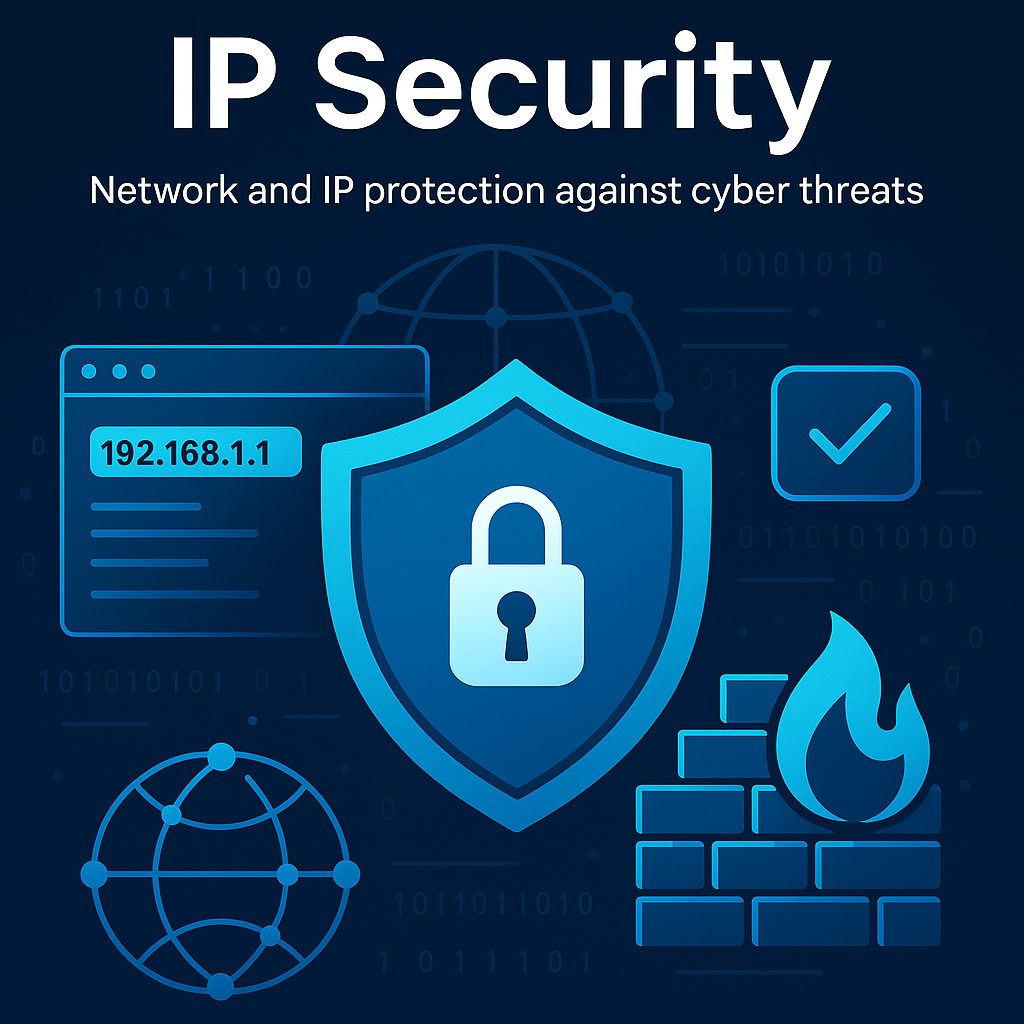
Cyber threats continue to escalate, and attackers now target organizations through exposed networks, unsecured endpoints, and vulnerable internet-connected devices. This is why IP security has become one of the most important pillars of cybersecurity for IT managers, CISOs, MSPs, and CEOs across every industry.
But here’s the real question:
👉 Is your organization doing enough to secure its IP address space and network infrastructure?
👉 Do you know where your biggest IP-based vulnerabilities exist?
👉 Are your IP security tools strong enough to stop modern attacks in real time?
In this comprehensive guide, you’ll learn everything you need to know about IP security, including best practices, risks, tools, and strategic steps to strengthen your entire environment.
What Is IP Security? A Simple Explanation for IT & Security Leaders
IP security refers to the methods, tools, and protocols used to protect devices, network traffic, and digital assets that communicate using Internet Protocol (IP). It ensures that all data transmitted across a network is:
Encrypted
Authenticated
Verified
Protected from tampering
Shielded from unauthorized access
IP security applies to:
Internal corporate networks
Remote workforce devices
Cloud environments
IoT devices
IP cameras and surveillance systems
Public-facing services
In other words, IP security is the backbone of modern cybersecurity, ensuring every communication between two endpoints remains safe.
Why IP Security Matters More Than Ever in 2025
Cybercriminals increasingly target IP-based systems because they provide access to:
Corporate networks
Sensitive data
Cloud environments
Critical infrastructure
Remote devices
The problem?
Most businesses underestimate the risk until they suffer a breach.
Recent statistics to consider:
67% of attacks now involve IP-based exploitation.
73% of ransomware incidents begin with unsecured endpoints or exposed IP services.
60% of organizations do not actively monitor their IP address vulnerabilities.
This makes strong IP security non-negotiable in today’s cyber landscape.
Core Components of a Strong IP Security Strategy
To build an effective security posture, IT and cybersecurity teams must understand the core areas of IP security.
1. IP Address Protection
Every device with an IP address becomes a potential entry point for attackers.
IP address protection includes:
Blocking unauthorized IP access
Preventing IP spoofing
Restricting traffic to safe IP ranges
Monitoring abnormal IP-based behavior
Using firewalls and access lists
Without this, attackers can:
Scan your network
Discover open ports
Execute brute-force attacks
Exploit IP-based vulnerabilities
2. IPsec (Internet Protocol Security)
IPsec is a suite of protocols that encrypts and protects network traffic at the packet level.
IPsec ensures:
Confidentiality
Integrity
Authentication
Secure VPN tunneling
It is widely used for:
Site-to-site VPNs
Remote employee connections
Cloud-to-data-center communications
3. Network Firewalls
Firewalls play a major role in IP security by:
Filtering IP packets
Controlling inbound/outbound traffic
Detecting suspicious activity
Blocking known malicious IPs
Modern firewalls (NGFWs) add:
Threat intelligence
Deep packet inspection
Application-layer filtering
4. IP Camera and IoT Security
Many companies use IP devices including:
IP cameras
Smart sensors
Access control systems
Industrial IoT devices
These devices create massive vulnerabilities if not secured properly.
Common risks:
Default passwords
Outdated firmware
Exposed ports
Weak authentication
A single unsecured IP camera can give attackers full network access.
5. Endpoint Security
Every endpoint—laptop, server, VM, mobile device—has an IP address.
IP-based attacks target endpoints more than any other area.
Endpoint protection should include:
EDR/XDR
Malware isolation
Behavioral analysis
Zero-trust access
Containment technology
Without this, attackers can bypass IP firewalls and work from inside your network.
Types of IP Security Threats Targeting Modern Businesses
Understanding the threats helps prevent them.
1. IP Spoofing
Attackers disguise their IP to appear legitimate.
Risk level: High
Common use: Man-in-the-middle attacks
2. DDoS Attacks
Flooding your IP with massive traffic to overwhelm systems.
Risks:
Website downtime
Business disruption
Service outages
3. Unauthorized IP Scanning
Hackers map your IP range to find weak points.
This is usually the first step in a targeted attack.
4. IP Camera Hijacking
Attackers take control of surveillance systems and IoT devices.
This threat is growing across factories, retail, finance, and government.
5. Open Ports & Misconfigured Devices
Many breaches occur because exposed IP ports were:
Forgotten
Unsecured
Outdated
Poorly configured
Best Practices for Strong IP Security
Here are actionable steps your cybersecurity team can adopt.
1. Use Least-Privilege Access for All IP Communications
Only allow access to necessary IP ranges.
Limit:
Remote access
Third-party systems
Internal segmentation
2. Implement Zero-Trust Network Access
Never trust any IP—internal or external—without verification.
Zero-trust requires:
Continuous identity validation
Device trust checks
Session-level authentication
3. Deploy EDR/XDR for Endpoint IP Protection
IP firewalls alone are no longer enough.
EDR/XDR systems:
Detect malicious IP behaviors
Isolate compromised devices
Stop lateral movement
4. Encrypt All IP Traffic with IPsec or VPN
Ensure no data is transmitted in plain text.
5. Conduct Regular IP Vulnerability Scans
A quarterly or monthly scan helps discover:
Exposed ports
Weak devices
Shadow assets
Misconfigurations
6. Protect IP Cameras & IoT Devices
Checklist:
Change default passwords
Restrict access to known IPs
Patch firmware
Disable unused protocols
Segment IoT networks
7. Use Threat Containment Technology
Contain suspicious activity instantly before it spreads.
This is essential because:
Firewalls can’t stop unknown threats
IP filtering fails against zero-days
Behavioral attacks bypass signature-based systems
Containment isolates the threat safely while allowing business operations to continue.
How IP Security Enhances Compliance and Risk Management
Industries such as finance, healthcare, manufacturing, government, and legal services rely heavily on IP security for compliance.
Strong IP security helps meet:
GDPR
HIPAA
NIST 800-53
ISO 27001
PCI-DSS
Compliance audits often require monitoring and controlling IP-based communication.
IP Security vs Network Security: What’s the Difference?
Although related, they target different concerns.
| Category | IP Security | Network Security |
|---|---|---|
| Focus | Protecting IP-based communication | Protecting overall infrastructure |
| Layer | Internet Protocol Layer (Layer 3) | Multiple layers (2–7) |
| Tools | IPsec, firewalls, EDR | IDS/IPS, NAC, SIEM |
| Threats | Spoofing, DDoS, hijacking | Malware, phishing, internal threats |
Both are essential—neither can replace the other.
Industry-Specific Use Cases for IP Security
1. Healthcare
Protects medical IoT devices and patient data transmissions.
2. Finance
Secures transactions, ATMs, cloud banking, and trading systems.
3. Manufacturing
Protects IP-based industrial control systems and robots.
4. Retail
Secures IP cameras, POS networks, and cloud storefronts.
5. Government
Protects critical infrastructure and inter-agency communications.
Future of IP Security: What to Expect by 2030
AI-driven IP threat prediction
Autonomous endpoint isolation
Fully encrypted IPv6 networks
Zero-trust IP authentication
Cloud-native IP protection systems
IP security will shift from reactive blocking to proactive “predict and prevent” models.
Conclusion: Is Your IP Security Strong Enough for Modern Threats?
IP security is no longer optional—it is an essential foundation of a safe, resilient, and compliant organization. With attacks growing more advanced, every IT manager, CEO, and cybersecurity professional must ensure their IP infrastructure is protected end-to-end.
If you want to secure your endpoints, networks, and IP-based environment with real-time isolation and protection, start today.
🚀 Strengthen Your IP Security with Real-Time Threat Isolation
Protect your entire environment—without slowing down users.
👉 Get your free cybersecurity protection now
🔒 https://openedr.platform.xcitium.com/register/
FAQs About IP Security
1. What is IP security?
IP security consists of protocols and tools that protect IP-based communication, devices, and data from cyber threats.
2. Is IP security the same as network security?
No. IP security focuses on the IP layer, while network security covers multiple OSI layers and broader protection.
3. How do attackers exploit IP vulnerabilities?
Through spoofing, scanning, exposed ports, IP camera hijacking, and brute-force attacks.
4. How can I improve IP security?
Use IP filtering, encryption, EDR/XDR, firewall controls, and zero-trust authentication.
5. Do IP cameras need cybersecurity?
Absolutely. IP cameras are one of the most frequently exploited IoT devices.

 Loading...