Updated on March 20, 2026, by OpenEDR
What would you do if someone opened a credit card in your name or drained your bank account overnight? Unfortunately, identity theft is no longer rare—it’s one of the fastest-growing cybercrimes worldwide. This is why identity fraud protection services have become essential for individuals and businesses alike.
From stolen credentials to large-scale data breaches, cybercriminals are constantly finding new ways to exploit personal and financial information. Without proper protection, the consequences can be devastating—financial loss, legal complications, and long-term damage to your credit.
Understanding how identity fraud protection services work can help you stay ahead of these threats. In this guide, we’ll explore what these services are, how they protect you, key features, benefits, and best practices for choosing the right solution.
What Are Identity Fraud Protection Services?
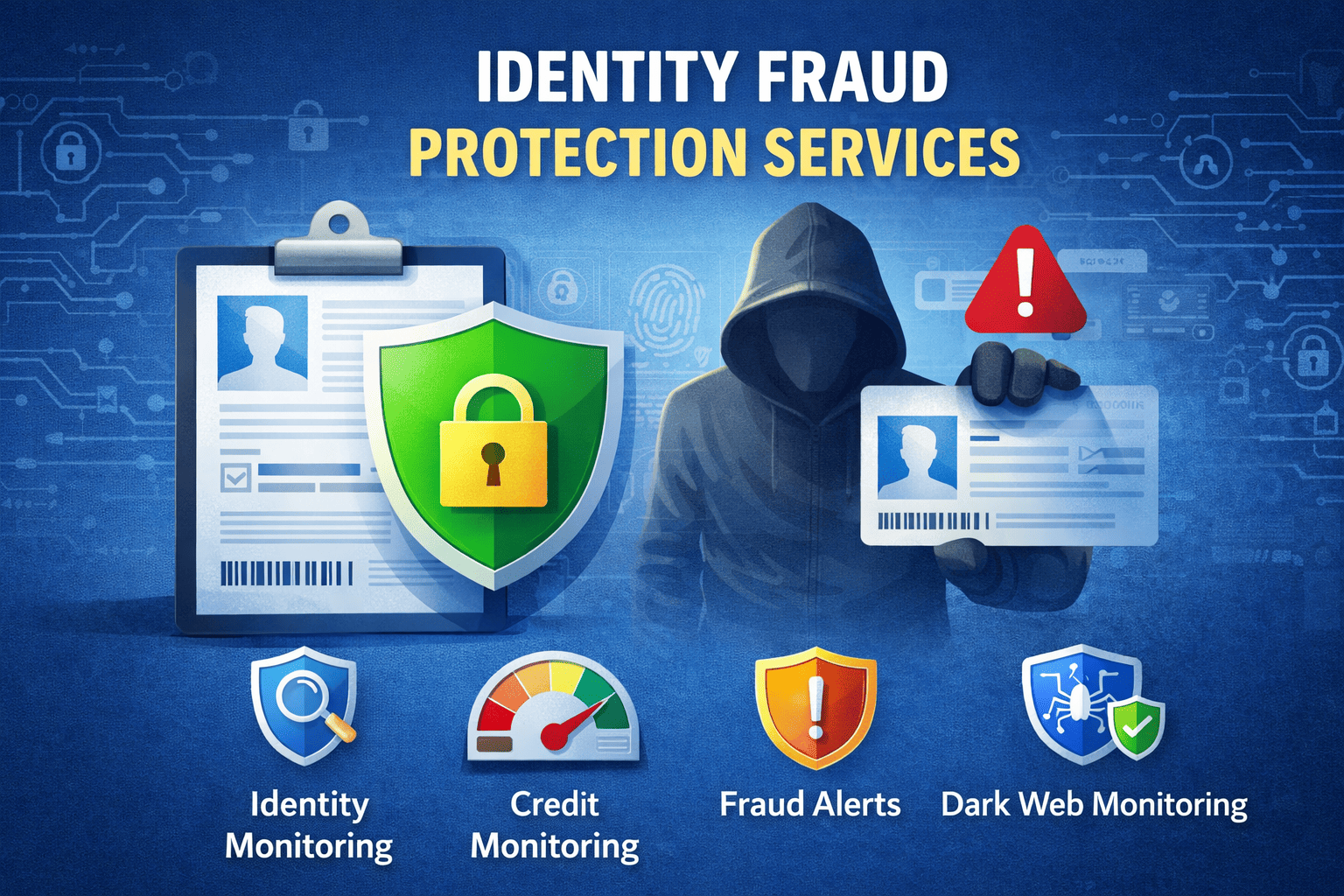
Identity fraud protection services are security solutions designed to monitor, detect, and prevent unauthorized use of your personal information.
These services protect sensitive data such as:
Social Security numbers
Bank account details
Credit card information
Email accounts
Login credentials
The goal is to detect suspicious activity early and help you respond quickly.
Why Identity Fraud Protection Services Are Important
Identity theft is increasing due to digital transformation and data exposure.
Common Causes of Identity Fraud
Data breaches
Phishing attacks
Malware infections
Weak passwords
Public Wi-Fi usage
Because personal data is widely shared online, identity fraud protection services provide a necessary layer of defense.
Impact of Identity Fraud
Identity fraud can lead to:
Financial losses
Damaged credit scores
Unauthorized transactions
Legal complications
Emotional stress
These risks make identity protection essential.
How Identity Fraud Protection Services Work
Modern services use multiple technologies to protect users.
1. Continuous Monitoring
Services monitor your personal data across various platforms.
What They Track
Credit reports
Financial transactions
Dark web activity
Account logins
2. Threat Detection
Advanced systems detect unusual activity.
Examples include:
New credit accounts opened
Large or unusual transactions
Login attempts from unknown locations
3. Alerts and Notifications
Users receive real-time alerts when suspicious activity is detected.
4. Identity Recovery Assistance
If fraud occurs, services provide support to restore your identity.
5. Fraud Prevention Tools
Some services include tools to block unauthorized access.
Key Features of Identity Fraud Protection Services
Not all services offer the same level of protection.
1. Credit Monitoring
Tracks changes in your credit report.
2. Dark Web Monitoring
Detects if your data appears on illegal marketplaces.
3. Identity Theft Insurance
Provides financial protection in case of fraud.
4. Multi-Factor Authentication (MFA)
Adds an extra layer of security to accounts.
5. Financial Account Monitoring
Tracks transactions for suspicious activity.
6. Data Breach Alerts
Notifies users if their data is compromised.
Types of Identity Fraud Protection Services
Different solutions cater to different needs.
Individual Protection Services
Designed for personal use.
Family Plans
Protect multiple users under one plan.
Business Identity Protection
Protects employee and customer data.
Enterprise-Level Solutions
Provides large-scale monitoring and threat detection.
Benefits of Identity Fraud Protection Services
Using identity fraud protection services offers several advantages.
Early Threat Detection
Identifies fraud before it causes major damage.
Financial Protection
Helps recover losses and prevent further damage.
Peace of Mind
Users can feel secure knowing their data is monitored.
Faster Recovery
Provides assistance to restore identity quickly.
Identity Fraud Protection vs Traditional Security Tools
Traditional tools focus on system security.
Traditional Security Tools
Antivirus software
Firewalls
Endpoint protection
Identity Fraud Protection Services
Focus on personal data
Monitor financial activity
Detect identity misuse
Both are important for comprehensive protection.
Best Practices for Using Identity Fraud Protection Services
To maximize effectiveness, follow these best practices.
1. Enable All Monitoring Features
Ensure all available protections are active.
2. Use Strong Passwords
Combine identity protection with secure authentication.
3. Regularly Review Alerts
Act quickly on suspicious activity notifications.
4. Avoid Sharing Sensitive Information
Limit exposure of personal data online.
5. Secure Your Devices
Use antivirus and endpoint protection alongside identity services.
Common Identity Fraud Scenarios
Understanding common attacks helps improve awareness.
Credit Card Fraud
Unauthorized transactions using stolen card details.
Account Takeover
Attackers gain access to online accounts.
Loan or Credit Fraud
Fraudsters open accounts in your name.
Tax Fraud
Filing false tax returns using stolen identity.
Challenges in Identity Fraud Protection
Despite advancements, challenges remain.
Data Exposure
Large-scale breaches expose millions of records.
Sophisticated Attacks
Cybercriminals use advanced techniques to bypass security.
False Positives
Some alerts may not indicate real threats.
User Awareness
Users may ignore alerts or fail to act quickly.
Identity Fraud Protection for Businesses
Organizations must protect both employees and customers.
Business Risks
Data breaches
Financial fraud
Regulatory penalties
Loss of customer trust
Business Solutions
Companies should implement:
Identity monitoring systems
Access control measures
Employee training programs
Data protection policies
The Future of Identity Fraud Protection
Identity protection is evolving with technology.
Emerging Trends
AI-driven fraud detection
Biometric authentication
Behavioral analytics
Real-time risk scoring
These innovations will improve protection accuracy and speed.
How to Choose the Best Identity Fraud Protection Service
Selecting the right solution requires careful evaluation.
Key Factors to Consider
Coverage and features
Real-time monitoring capabilities
Ease of use
Customer support
Pricing
Questions to Ask Providers
Does it offer dark web monitoring?
Are alerts real-time?
Is identity recovery included?
Does it provide insurance coverage?
Frequently Asked Questions (FAQ)
What are identity fraud protection services?
They are services that monitor and protect your personal information from unauthorized use and identity theft.
How do identity fraud protection services work?
They track your data, detect suspicious activity, and alert you in real time.
Are identity protection services worth it?
Yes, especially for individuals and businesses handling sensitive information.
Can these services prevent all fraud?
No solution is perfect, but they significantly reduce risk and improve response time.
What is the difference between credit monitoring and identity protection?
Credit monitoring tracks credit activity, while identity protection covers a broader range of threats.
Protect Your Identity Before It’s Too Late
Identity theft can happen to anyone—and the damage can be long-lasting. Investing in identity fraud protection services helps you detect threats early, respond quickly, and protect your financial and personal information.
Cybersecurity is not just about devices—it’s about protecting your identity in a digital world.
👉 Register for cybersecurity training today:
https://openedr.platform.xcitium.com/register/
Learn how to protect your identity, detect fraud early, and build stronger defenses against modern cyber threats.

 Loading...