Updated on November 24, 2025, by OpenEDR
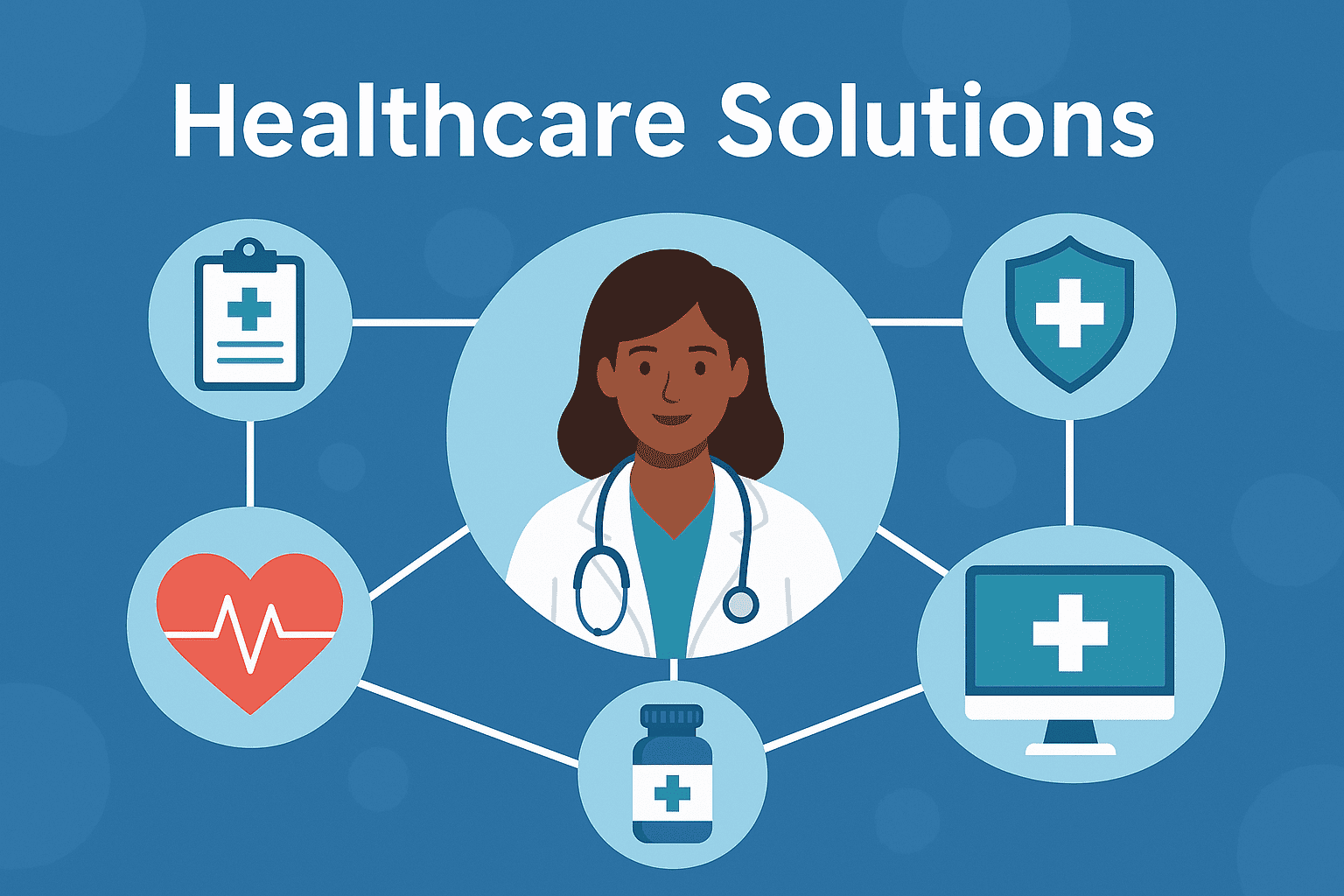
Healthcare is evolving faster than ever. From telemedicine to connected medical devices, organizations are accelerating their digital transformation to deliver better patient outcomes. But with technology comes increased complexity — and increased risk. This is why modern healthcare solutions now focus equally on innovation, security, compliance, and operational efficiency.
In fact, recent reports show that 89% of healthcare organizations experienced at least one cyber incident in the last 12 months, making the industry one of the most targeted sectors globally. As digital health ecosystems grow, so does the need for secure, scalable, and interoperable solutions that protect patients, data, and infrastructure.
Whether you’re a CEO, IT manager, healthcare administrator, or cybersecurity professional, understanding the latest healthcare solutions is essential for ensuring safety, compliance, and long-term success. This comprehensive guide breaks down everything you need to know — including the technologies driving transformation and how to protect your organization against rising digital threats.
What Are Healthcare Solutions? (Simple Definition)
Healthcare solutions are technologies, systems, and tools designed to improve patient care, enhance operational efficiency, strengthen cybersecurity, and support clinical workflows. They include everything from cloud EHR systems and telemedicine platforms to AI diagnostics, medical device management, and cybersecurity tools that protect patient data.
The purpose of modern healthcare solutions is to:
Improve care quality
Reduce costs
Streamline workflows
Enhance security
Strengthen compliance
Support interoperability
Improve patient engagement
In 2026, technology is fully integrated into care delivery — and healthcare organizations must adopt secure, scalable systems to stay compliant and competitive.
Why Healthcare Solutions Matter More Than Ever
Digital adoption in healthcare has exploded. But so have risks.
Key reasons healthcare needs modern solutions:
Rising cyberattacks on hospitals
Healthcare is the #1 target for ransomware.Increase in telehealth and remote care
Requires secure digital communication tools.Medical IoT device expansion
Connected devices introduce new vulnerabilities.Strict compliance requirements
HIPAA, HITECH, GDPR, and state regulations.Patient expectations for digital access
Online portals, scheduling, and digital records.Need for real-time data accuracy
For diagnosis, treatment planning, and population health.
Healthcare now relies heavily on digital systems — making next-generation solutions essential.
Top Categories of Healthcare Solutions in 2026
Below are the major solution categories transforming healthcare.
1. Electronic Health Record (EHR) & EMR Solutions
Modern EHR systems are cloud-based, fast, interoperable, and secure.
Benefits
Real-time patient data access
Fewer documentation errors
Improved clinical decisions
Seamless information exchange
Analytics for population health
Trending EHR Capabilities
AI-powered charting
Voice-to-text documentation
Interoperability via FHIR
Behavioral health integrations
Cloud EHR security enhancements
2. Telemedicine & Virtual Care Platforms
Telehealth is now a standard part of healthcare delivery.
Key Features
Virtual appointments
Remote monitoring
Digital triage
AI symptom checkers
Secure messaging
Why It Matters
Telemedicine expands access to care, especially in rural and underserved areas.
3. Healthcare Cybersecurity Solutions
As cyber threats increase, cybersecurity becomes foundational for healthcare.
Top Security Threats Today
Ransomware attacks
Phishing
Medical device hijacking
Data breaches
Insider threats
Zero-day exploits
Critical Cybersecurity Solutions
Zero-Trust security
Endpoint detection & response (EDR)
Device containment systems
Secure network segmentation
MFA & identity management
Email threat protection
HIPAA-compliant data storage
Why Cybersecurity Is Essential
A breach can shut down hospital operations, compromise patient data, and cost millions.
4. Medical IoT (Internet of Things) Solutions
Connected medical devices include:
Infusion pumps
Heart monitors
Wearables
Imaging systems
Smart beds
Benefits
Real-time monitoring
Automated alerts
Better workflow efficiency
Challenges
Vulnerabilities in outdated devices
Lack of authentication
Poor patch management
Securing IoMT (Internet of Medical Things) is now a top priority.
5. Healthcare Analytics & AI Solutions
AI enhances both clinical and administrative workflows.
Use Cases
Predictive analytics
Disease pattern detection
Imaging analysis (radiology, pathology)
Patient risk scoring
Staffing optimization
Revenue cycle management
AI-driven healthcare solutions reduce costs and save lives.
6. Practice Management & Workflow Solutions
These tools help healthcare organizations run smoothly.
Features
Scheduling
Billing
Workflow automation
Claims processing
Patient communications
Practice management systems reduce administrative burden.
7. Cloud Healthcare Solutions
More healthcare organizations are moving to secure cloud platforms.
Advantages
Scalability
Reduced hardware costs
Better uptime
Simplified backups
Stronger security layers
Cloud-native solutions also support remote workflows and digital transformation at scale.
8. Interoperability & Integration Solutions
Healthcare systems must communicate across:
Clinics
Hospitals
Labs
Pharmacies
Insurance providers
Government agencies
Technologies enabling interoperability
HL7
FHIR APIs
HIE networks
Integration middleware
These solutions ensure complete, accurate, and accessible patient data.
9. Patient Engagement & Experience Platforms
Modern patients expect digital services.
Tools Include
Online portals
Mobile apps
Automatic appointment reminders
Prescription tracking
Telehealth integrations
Engagement-based healthcare solutions increase patient satisfaction and retention.
10. HIPAA Compliance & Data Protection Solutions
Compliance is non-negotiable.
Compliance Tools
Secure messaging
Encrypted storage
Audit logs
PHI access tracking
Risk assessment tools
Policy management systems
Proper solutions protect organizations from legal and financial repercussions.
Benefits of Implementing Healthcare Solutions
✔ Stronger data security
✔ Reduced administrative burden
✔ Faster clinical workflows
✔ Better patient outcomes
✔ Lower operational costs
✔ Higher efficiency through automation
✔ Increased compliance readiness
✔ Improved care quality
Digital transformation is no longer optional — it is essential.
Cybersecurity Considerations for Healthcare Solutions
Healthcare ranks as one of the most attacked industries.
Why Hospitals Are Targeted
Valuable patient data
Outdated legacy systems
Life-critical infrastructure
Financial pressure to pay ransoms
Top Security Measures
Zero-Trust execution
Containment of unknown threats
Continuous monitoring
MFA enforcement
Secure configurations
Patch automation
EDR & MDR
How to Choose the Right Healthcare Solutions (IT Buyer Checklist)
✔ Identify operational pain points
✔ Evaluate cybersecurity impact
✔ Review integration capabilities
✔ Confirm HIPAA compliance
✔ Assess user experience
✔ Ensure scalability
✔ Evaluate vendor reputation
✔ Run a security risk assessment
Future Trends in Healthcare Solutions (2025–2030)
AI-driven diagnostics
Predictive population health analytics
Cloud-first EHR systems
Zero-Trust healthcare architecture
Blockchain-based patient identity
Fully remote care ecosystems
Healthcare is moving toward a seamless, secure, interconnected digital future.
FAQ Section
1. What are healthcare solutions?
They are technologies and tools that improve patient care, streamline operations, and strengthen healthcare security.
2. Why is cybersecurity important in healthcare?
Healthcare is the most targeted industry for cyberattacks, making protection essential for patient safety and compliance.
3. What are examples of healthcare solutions?
EHRs, telemedicine platforms, AI tools, cybersecurity systems, medical IoT devices, and practice management software.
4. What cybersecurity solutions work best for healthcare?
Zero-Trust systems, EDR platforms, containment technology, MFA, network segmentation, and encrypted storage.
5. How do healthcare solutions improve patient care?
They enable faster diagnosis, improve accuracy, connect systems, and support real-time monitoring.
Final Thoughts: Healthcare Solutions Are the Future of Modern Medicine
Digital transformation continues to reshape healthcare in 2025. The future belongs to healthcare organizations that adopt secure, efficient, and innovative healthcare solutions to improve patient outcomes and protect their data.
However, none of this progress matters without strong cybersecurity. Protecting patient information must remain at the center of every healthcare technology strategy.
🚀 Empower Your Healthcare Security With Zero-Trust Protection
Secure your digital ecosystem, protect patient data, and eliminate threats before they execute.
👉 Register now: https://openedr.platform.xcitium.com/register/

 Loading...