Updated on March 26, 2026, by OpenEDR
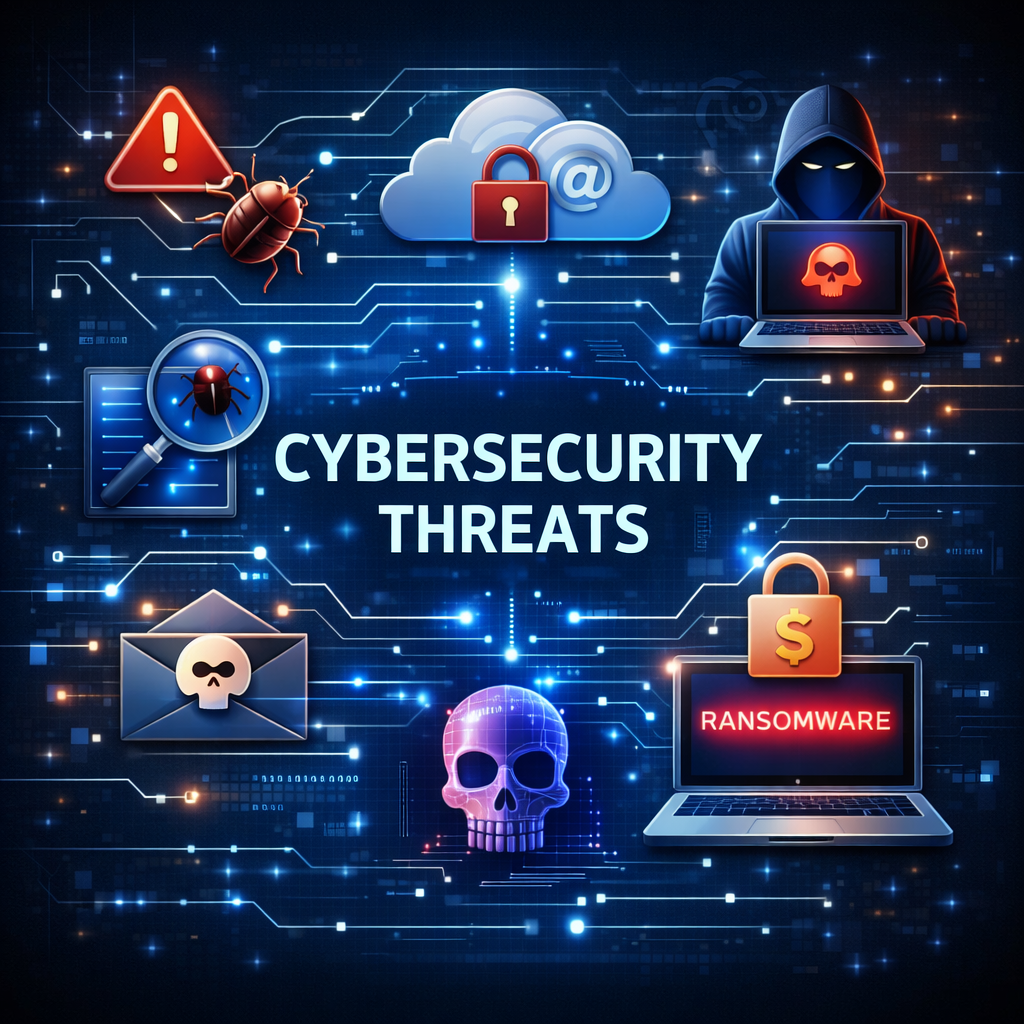
Cyberattacks are no longer a distant possibility—they are happening every minute. From ransomware shutting down hospitals to phishing attacks targeting executives, cybersecurity threats have become a serious concern for businesses of all sizes.
So, how prepared is your organization?
Understanding modern cybersecurity threats is the first step toward building a strong defense. Whether you’re an IT manager, cybersecurity professional, or business leader, staying ahead of these threats is critical to protecting your data, reputation, and operations.
In this guide, we’ll break down the most common cybersecurity threats, their impact, and how to mitigate them effectively.
What Are Cybersecurity Threats?
Cybersecurity threats refer to malicious activities designed to damage, disrupt, or gain unauthorized access to systems, networks, or data.
These threats are constantly evolving, becoming more sophisticated and harder to detect.
Common Objectives of Cyber Threats:
- Steal sensitive data
- Disrupt business operations
- Demand ransom payments
- Spy on organizations
- Exploit vulnerabilities
Understanding these goals helps organizations better prepare for emerging risks.
Why Cybersecurity Threats Are Increasing
The rise in cybersecurity threats is driven by several factors:
1. Digital Transformation
More businesses are moving to cloud environments, increasing the attack surface.
2. Remote Work Expansion
Employees accessing systems from various locations create new vulnerabilities.
3. Advanced Attack Techniques
Cybercriminals now use AI and automation to launch more effective attacks.
4. Lack of Awareness
Human error remains one of the biggest causes of security breaches.
Top Cybersecurity Threats in 2026
Let’s explore the most critical cybersecurity threats organizations face today.
1. Ransomware Attacks
Ransomware is one of the most damaging cybersecurity threats.
Attackers encrypt your data and demand payment for its release.
Impact:
- Operational downtime
- Financial losses
- Data loss
Prevention Tips:
- Regular backups
- Endpoint protection
- Employee training
2. Phishing and Social Engineering
Phishing attacks trick users into revealing sensitive information.
Common Methods:
- Fake emails
- Malicious links
- Impersonation of trusted entities
Why It Works:
It targets human psychology rather than technical vulnerabilities.
3. Malware and Spyware
Malicious software is designed to damage systems or steal data.
Examples:
- Trojans
- Keyloggers
- Worms
These cybersecurity threats often spread through downloads or compromised websites.
4. Insider Threats
Not all threats come from outside the organization.
Types:
- Malicious insiders
- Negligent employees
- Compromised accounts
Insider threats are particularly dangerous because they already have access.
5. Distributed Denial-of-Service (DDoS) Attacks
DDoS attacks overwhelm systems, making them unavailable.
Impact:
- Website downtime
- Service disruption
- Revenue loss
6. Cloud Security Threats
As businesses adopt cloud services, new risks emerge.
Common Issues:
- Misconfigured storage
- Weak access controls
- Data exposure
How Cybersecurity Threats Impact Businesses
Ignoring cybersecurity threats can have severe consequences.
1. Financial Losses
Costs include ransom payments, legal fees, and recovery expenses.
2. Reputation Damage
Customers lose trust after a breach.
3. Legal and Compliance Issues
Organizations may face penalties for failing to protect data.
4. Operational Disruption
Attacks can halt business operations entirely.
How to Protect Against Cybersecurity Threats
Protecting against cybersecurity threats requires a proactive approach.
1. Implement Strong Access Controls
- Use multi-factor authentication (MFA)
- Enforce least privilege access
- Regularly review user permissions
2. Use Advanced Security Software
Invest in solutions like:
- Endpoint Detection and Response (EDR)
- Antivirus and anti-malware
- Network security tools
3. Train Employees Regularly
Human error is a major factor in cybersecurity threats.
Training Should Cover:
- Recognizing phishing emails
- Safe browsing practices
- Password management
4. Keep Systems Updated
Outdated systems are vulnerable to attacks.
- Apply patches regularly
- Update software and operating systems
- Monitor for vulnerabilities
5. Backup Data Frequently
Backups are essential for recovering from ransomware attacks.
- Use secure storage
- Test backups regularly
- Store copies offsite
Best Practices for Managing Cybersecurity Threats
To stay ahead of evolving cybersecurity threats, follow these best practices:
1. Adopt a Zero Trust Model
Verify every user and device before granting access.
2. Monitor Continuously
Use real-time monitoring tools to detect anomalies.
3. Conduct Regular Audits
Identify and fix vulnerabilities before attackers exploit them.
4. Develop an Incident Response Plan
Be prepared to respond quickly to security incidents.
Emerging Trends in Cybersecurity Threats
The landscape of cybersecurity threats is constantly changing.
Key Trends to Watch:
- AI-powered cyberattacks
- Supply chain attacks
- IoT vulnerabilities
- Deepfake-based fraud
Organizations must stay informed to adapt their defenses accordingly.
Common Mistakes to Avoid
Even with strong defenses, mistakes can expose your organization to cybersecurity threats.
- Ignoring security alerts
- Weak password policies
- Lack of employee training
- Overlooking insider threats
- Not updating systems
Avoiding these errors significantly reduces risk.
Conclusion: Stay Ahead of Cybersecurity Threats
Cyber threats are evolving—but so can your defenses.
Understanding and addressing cybersecurity threats is essential for protecting your business, data, and reputation. By implementing strong security measures, training employees, and staying updated, organizations can significantly reduce their risk.
👉 Ready to strengthen your cybersecurity strategy?
Get started today and protect your business from modern cyber threats.
FAQs: Cybersecurity Threats
1. What are the most common cybersecurity threats?
Ransomware, phishing, malware, insider threats, and DDoS attacks are among the most common.
2. How can businesses prevent cyber threats?
By using security software, training employees, and implementing strong access controls.
3. Why are cybersecurity threats increasing?
Due to digital transformation, remote work, and advanced attack techniques.
4. What is the biggest cybersecurity risk?
Human error, especially through phishing and weak passwords.
5. How often should cybersecurity measures be updated?
Continuously, with regular audits and updates to address new threats.

 Loading...