Updated on December 1, 2025, by OpenEDR
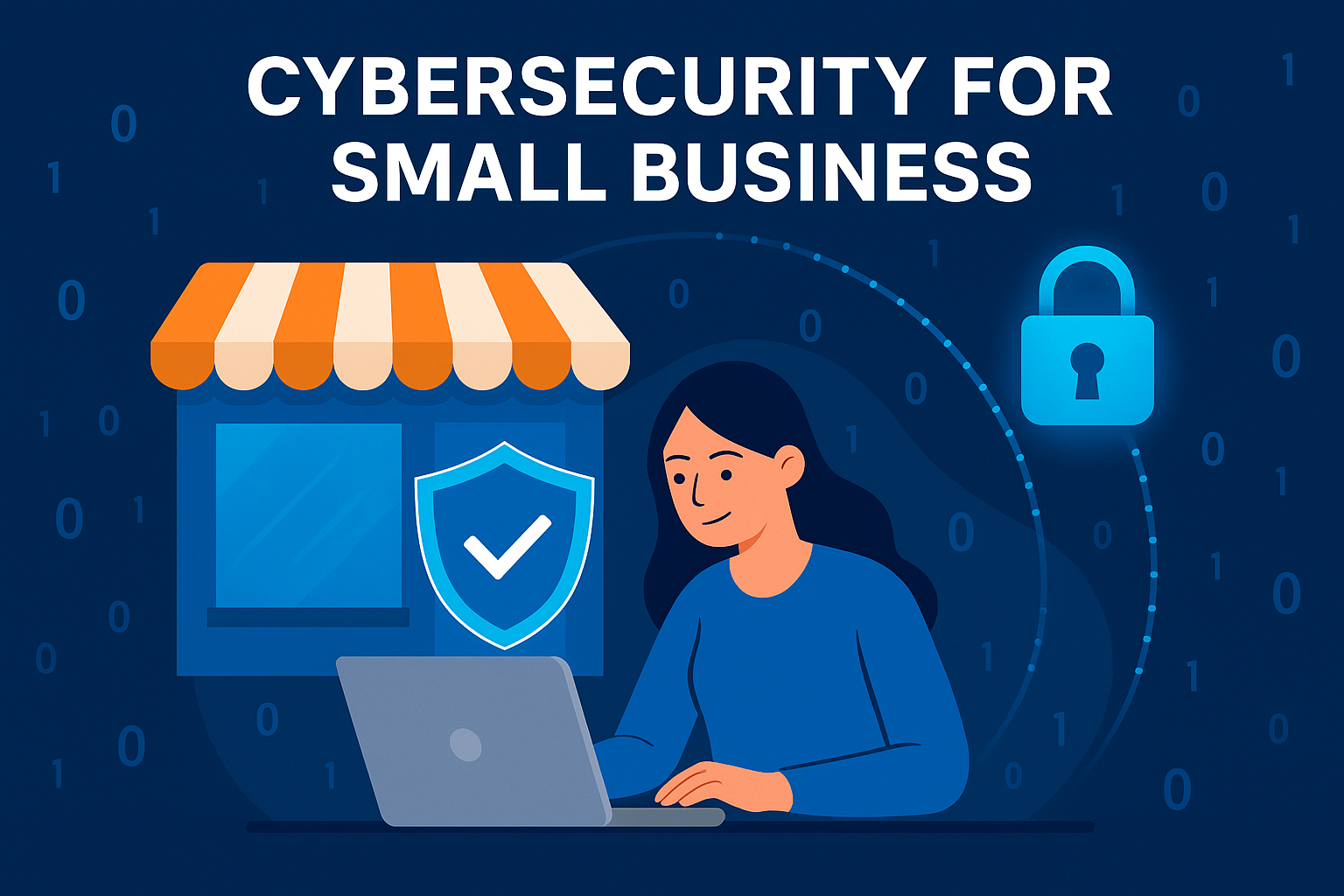
If you’re searching for cybersecurity for small business, you’re probably aware that cyber threats aren’t just a problem for large enterprises. In fact, 43% of all cyberattacks target small businesses, according to multiple industry reports. Yet nearly 60% of small businesses have no cybersecurity plan in place — making them prime targets for ransomware, phishing, data breaches, and financial fraud.
Cybercriminals know small businesses often lack:
Full IT teams
Advanced security tools
Dedicated cybersecurity budgets
Formal training programs
This makes them easier to exploit.
In this comprehensive guide, we’ll explain everything you need to know about cybersecurity for small business, including the most common threats, essential security measures, tools to deploy, affordable solutions, and best practices for long-term protection.
Whether you’re a business owner, IT manager, or cybersecurity professional supporting SMB environments, this guide provides actionable strategies you can implement immediately.
What Is Cybersecurity for Small Business?
Cybersecurity for small business refers to strategies, tools, and best practices designed to protect small companies from digital threats. These measures help secure:
Customer data
Financial information
Business operations
Employee accounts
Websites and online services
Devices, networks & cloud apps
Small business cybersecurity focuses on cost-effective, scalable, and easy-to-manage solutions that provide large-enterprise protection without requiring massive budgets.
Why Small Businesses Are Prime Cyber Targets
Understanding the risk is the first step in strengthening cybersecurity for small business. Hackers often target smaller companies because they assume defenses are weak.
Here’s why SMBs face increased risks:
1. Limited Security Budget
Most small businesses rely on basic antivirus or outdated security tools — leaving significant blind spots.
2. Lack of IT Expertise
Only 14% of small businesses have a dedicated cybersecurity professional.
3. Valuable Data
Small businesses store sensitive:
Customer records
Payment information
Personal data
Intellectual property
Hackers sell this data on the dark web.
4. Supply Chain Attacks
Hackers compromise smaller vendors to infiltrate enterprise partners.
5. Higher Success Rate
SMBs are more likely to pay ransoms due to limited recovery options.
Most Common Cyber Threats Against Small Businesses
Cybersecurity for small business requires awareness of the threats you’re facing. These are the top attacks targeting SMBs today.
1. Phishing Attacks
Fake emails trick employees into:
Clicking malicious links
Downloading malware
Giving away passwords
Why it’s dangerous:
90% of data breaches start with phishing.
2. Ransomware
Malware encrypts your data and demands payment.
Impact:
Business shutdown
Lost customer trust
Expensive recovery
Possible data leak
3. Business Email Compromise (BEC)
Attackers impersonate executives or vendors to steal money.
Example:
Fake invoice scams.
4. Weak Password Attacks
Hackers use:
Credential stuffing
Brute force attacks
Password spraying
Poor password hygiene makes SMBs vulnerable.
5. Insider Threats
Employees or contractors (intentional or accidental) can cause breaches by:
Mishandling data
Losing devices
Falling for scams
6. Web Application Attacks
Small business websites are frequent targets for:
SQL injections
Form jacking
Cross-site scripting (XSS)
7. Unpatched Software & Devices
Outdated applications create security holes.
How Cybersecurity for Small Business Protects Your Company
Implementing cybersecurity measures offers several long-term benefits:
Prevent revenue losses
Protect customer data
Maintain business continuity
Increase trust and credibility
Reduce operational risk
Meet compliance requirements
Let’s explore what you need to implement.
Essential Cybersecurity Measures for Small Businesses
Below are the foundational cybersecurity controls every small business should have — regardless of size, industry, or location.
1. Endpoint Protection (Antivirus + EDR)
Every laptop, desktop, and server should be protected.
Essential features:
Malware protection
Ransomware detection
Behavioral monitoring
Threat isolation
Real-time alerts
Modern EDR (Endpoint Detection & Response) solutions like Xcitium OpenEDR help small businesses stay protected with enterprise-grade technology.
2. Strong Password Policies
Weak passwords cause 80% of data breaches.
Best practices:
Minimum 12 characters
Unique passwords
Require capital letters, numbers & symbols
No reuse across accounts
3. Multi-Factor Authentication (MFA)
MFA blocks 99.9% of account compromise attacks.
Use MFA on:
Email accounts
Banking portals
Cloud apps
VPN connections
4. Secure Backups
Backups are critical to recovering from ransomware.
Choose:
Cloud backups
Offline backups
Encrypted storage
Regular testing
5. Security Awareness Training
Employees must learn how to:
Spot phishing
Avoid social engineering
Secure passwords
Handle sensitive data
6. Firewalls & Network Security
Small businesses should deploy:
Next-gen firewalls
VPN access
Segmented networks
Secure Wi-Fi
7. Regular Software Updates
Patch:
Operating systems
Office applications
Browsers
Plugins
Firmware
Patching closes vulnerabilities before attackers find them.
8. Access Control Policies
Limit access to sensitive data using:
Least privilege
Role-based access
Activity monitoring
9. Secure Cloud Applications
Use reputable cloud services with:
Encryption
MFA
Data access logs
10. Incident Response Plan
Even small businesses need a plan.
Include:
Who to contact
Steps to isolate systems
How to communicate incidents
How to restore operations
Cybersecurity Tools Small Businesses Should Use
Here are the most effective tools that balance cost, protection, and ease of use.
✔ Endpoint Detection & Response (EDR)
✔ Secure Email Gateway
✔ Password Manager
✔ Network Firewall
✔ Patch Management Software
✔ Cloud Access Security Broker (CASB)
✔ Vulnerability Scanner
✔ Data Loss Prevention (DLP)**
These tools strengthen security without overwhelming small IT teams.
Affordable Cybersecurity Solutions for Small Businesses
You don’t need enterprise budgets to stay protected. Small businesses can implement cost-effective solutions such as:
Free EDR versions (like Xcitium OpenEDR)
Cloud-based email filters
Affordable password managers
Free MFA apps
Low-cost backup solutions
Cybersecurity for small business is more accessible than ever.
Cybersecurity Best Practices for Small Business Owners
Here are practical, actionable tips every SMB leader should implement.
1. Encrypt All Devices
Laptops, phones, tablets — especially those used remotely.
2. Use a Dedicated Business Wi-Fi Network
And create separate networks for guests.
3. Monitor Account Logins
Look for suspicious patterns.
4. Protect Payment Systems
Follow PCI-DSS standards.
5. Reduce the Number of Admin Accounts
Only trusted personnel should have admin privileges.
6. Disable Unused Accounts
Old employee accounts are a major security risk.
7. Use Secure File-Sharing Tools
Avoid sending sensitive files via email.
8. Maintain an Asset Inventory
Track all devices and apps connected to your network.
Cybersecurity for Small Business by Industry
Different industries face different risks. Here’s a quick breakdown:
Healthcare SMBs
Protect patient data
Prevent ransomware attacks
Meet HIPAA compliance
Retail & Ecommerce
Secure POS systems
Protect customer card data
Prevent checkout fraud
Financial Services
Secure transactions
Prevent account takeover
Comply with FINRA & PCI
Small Law Firms
Protect confidential case files
Secure client communication
Manufacturing SMBs
Secure IoT devices
Protect production data
Future of Cybersecurity for Small Business
Cyber threats are becoming more sophisticated. Trends include:
AI-driven attacks
Supply chain threats
Cloud-native malware
Deepfake fraud
Ransomware-as-a-service
Small businesses must stay proactive by adopting modern security technologies.
FAQs: Cybersecurity for Small Business
1. Why do small businesses need cybersecurity?
They are frequent targets due to weaker defenses and valuable data.
2. What is the biggest cybersecurity threat for small businesses?
Phishing and ransomware are the top threats.
3. How much does cybersecurity cost for a small business?
Costs range from free (OpenEDR) to a few hundred dollars per month, depending on needs.
4. Can cybersecurity help prevent financial loss?
Yes, it prevents fraud, ransomware payments, downtime, and compliance fines.
5. What is the first step to improving cybersecurity for small business?
Start with endpoint protection, MFA, and employee training.
Final Thoughts
Cybersecurity for small business is no longer optional — it’s essential for survival. With attacks rising and hackers targeting smaller companies more frequently, SMBs must take proactive steps to protect their data, customers, and operations.
The good news? Modern cybersecurity tools make this easier and more affordable than ever. By implementing layered defenses, training employees, and using solutions like EDR, firewalls, MFA, and secure backups, small businesses can dramatically reduce their risk.
🚀 Protect Your Small Business With OpenEDR®
👉 Register here: https://openedr.platform.xcitium.com/register/

 Loading...