Updated on October 17, 2025, by OpenEDR
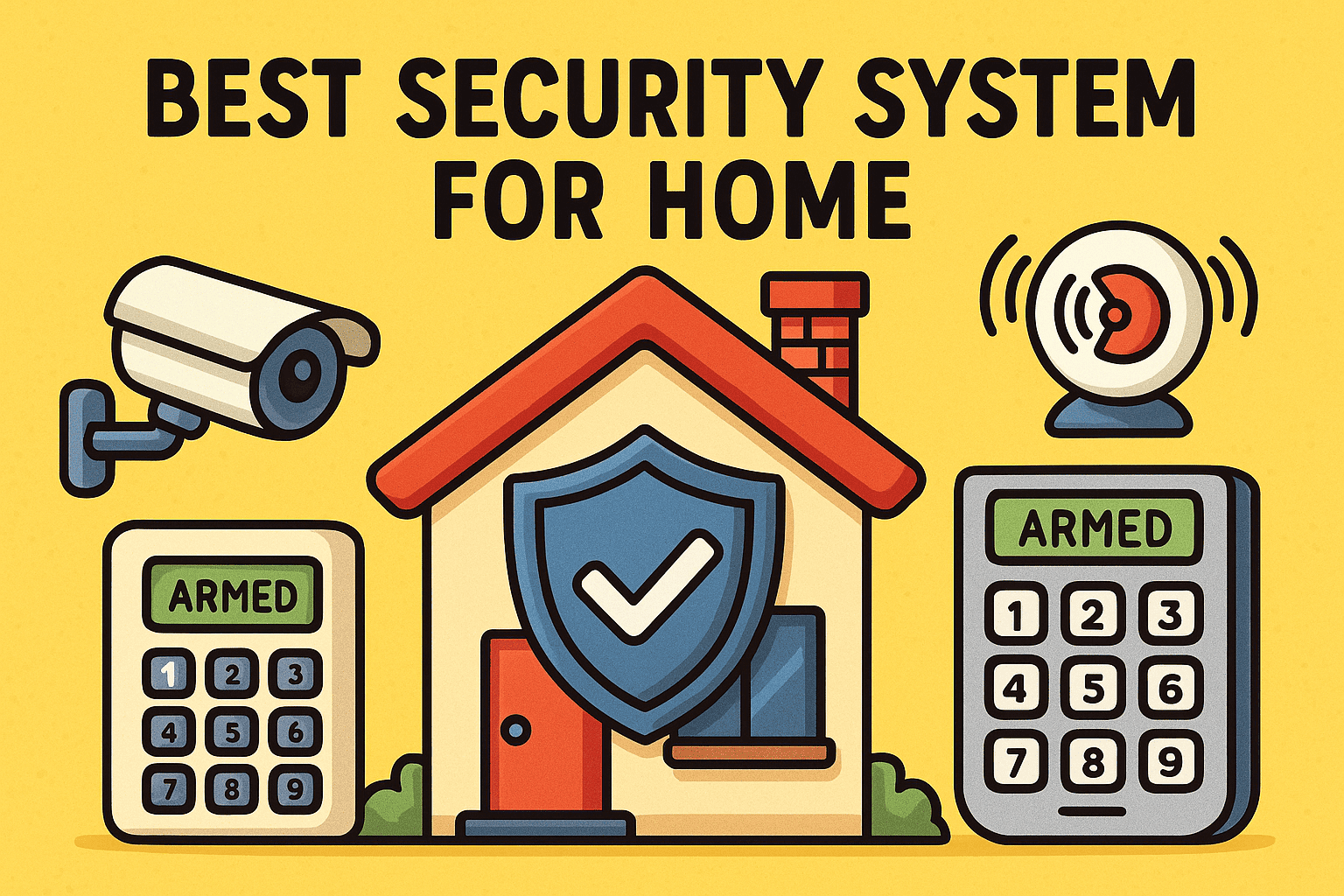
Did you know that homes without security systems are 300% more likely to be burglarized? In today’s world, investing in the best security system for home isn’t a luxury—it’s a necessity. With smart technology, 24/7 monitoring, and advanced sensors, homeowners can protect their families while enjoying peace of mind.
Introduction: Why Choosing the Best Security System for Home Matters
But with so many options available, how do you decide which system fits your needs? This guide explores the types, features, and benefits of home security systems while helping you choose the right one for your household.
What Makes a Security System the Best for Home?
When evaluating the best security system for home, several factors matter:
Reliability: Does it work in emergencies like power outages?
Ease of Use: Can everyone in the household operate it easily?
Smart Features: Integration with smartphones, smart locks, and cameras.
Affordability: Balance between cost and functionality.
Scalability: Ability to add more devices as needed.
The best systems combine robust intrusion detection, video surveillance, and remote monitoring in one seamless package.
Types of Home Security Systems
1. Professionally Monitored Systems
These provide 24/7 monitoring services where professionals respond to alarms and dispatch emergency services if needed.
Pros: Peace of mind, immediate response.
Cons: Monthly subscription fees.
2. Self-Monitored Systems
These send alerts directly to your smartphone or device, giving you control.
Pros: Lower costs, no long-term contracts.
Cons: Relies on your availability to act.
3. Wired vs. Wireless Systems
Wired systems are stable and reliable but require professional installation.
Wireless systems are flexible, portable, and easy to install.
Key Features of the Best Security System for Home
When shopping, ensure the system has these must-have features:
Motion Detectors – Alert you when unusual activity occurs.
Door and Window Sensors – Protect entry points from intruders.
Smart Cameras – High-definition video with night vision and two-way audio.
Mobile App Integration – Control and monitor your system from anywhere.
Environmental Sensors – Detect smoke, CO2, or flooding.
Backup Power Supply – Keeps your system running during outages.
Benefits of Installing a Home Security System
Crime Prevention – Deters burglars and vandals.
Emergency Response – Quick connection to authorities during fire, break-ins, or medical emergencies.
Peace of Mind – Protects family and property, even while away.
Insurance Discounts – Many insurers offer lower premiums for secure homes.
Smart Home Integration – Control lights, thermostats, and locks.
Smart Home Security Systems: The Future of Protection
Modern smart home security systems go beyond simple alarms. They integrate with AI-powered analytics, IoT devices, and cloud storage for video footage.
Examples include:
Facial recognition cameras.
Voice-controlled arming via Alexa or Google Assistant.
Automated locking/unlocking of doors.
Notifications when children arrive home safely.
These smart systems make your security both intelligent and convenient.
DIY vs. Professional Installation
DIY Systems: Affordable, flexible, and easy to install. Best for tech-savvy users.
Professional Systems: Provide expert setup, wiring, and integration with emergency services.
Choosing between the two depends on your budget, comfort level with technology, and security needs.
Comparing Top Security Systems in 2025
| Feature | System A (DIY Smart) | System B (Professional) | System C (Hybrid) |
|---|---|---|---|
| Monitoring | Self | 24/7 professional | Both |
| Installation | Easy DIY | Professional | Mix |
| Smart Home Integration | Yes | Limited | Yes |
| Cost | Low upfront | Higher monthly | Moderate |
| Scalability | High | Moderate | High |
How to Choose the Best Security System for Your Home
Assess Your Needs – Large homes may require professional systems, while apartments may benefit from DIY setups.
Set a Budget – Consider upfront and ongoing costs.
Check Compatibility – Ensure the system works with your smart devices.
Read Reviews – Learn from real customer experiences.
Look for Guarantees – Choose systems with warranties and support.
Security System Mistakes to Avoid
Relying only on outdoor cameras without indoor monitoring.
Ignoring cybersecurity risks in smart devices.
Forgetting to secure all entry points (windows, garages, etc.).
Not maintaining or testing alarms regularly.
The Cybersecurity Side of Home Security
Many don’t realize that smart security devices are also cyber attack targets. Hackers can exploit weak passwords or outdated software.
Best Practices:
Always update firmware.
Use strong, unique passwords.
Enable two-factor authentication on mobile apps.
Choose systems with end-to-end encryption.
By combining physical and digital protection, you truly get the best security system for home.
Future Trends in Home Security
AI-Powered Threat Detection – Smarter alerts reduce false alarms.
Biometric Access – Fingerprint and facial recognition replacing traditional locks.
Cloud-Based Monitoring – Safer storage for surveillance footage.
Energy-Efficient Devices – Solar-powered cameras and sensors.
The future points toward more connected, eco-friendly, and cybersecure home protection systems.
FAQs About the Best Security System for Home
1. Do I really need a home security system?
Yes. Even in low-crime areas, it provides peace of mind and protects against burglary, fire, and emergencies.
2. What’s better: wired or wireless home security?
Wireless systems are more flexible and modern, but wired systems are highly reliable. Choose based on your home setup.
3. Can I install a home security system myself?
Yes. Many DIY options are designed for easy setup. However, professional systems often come with expert installation.
4. How much does the best home security system cost?
Costs range from under $200 for DIY systems to $30–$60 monthly for professional monitoring.
5. Do security systems work without Wi-Fi?
Yes, some systems use cellular backup to stay online during outages.
Conclusion: Invest in the Best Security System for Home
Finding the best security system for home isn’t about picking the most expensive—it’s about choosing the one that fits your lifestyle, security needs, and budget. From DIY setups to professional monitoring, modern systems give you reliable protection, smart features, and peace of mind.
Don’t wait until an incident happens—secure your home today.
👉 Ready to strengthen your security? Register now to explore advanced protection solutions.

 Loading...