Updated on February 25, 2026, by OpenEDR
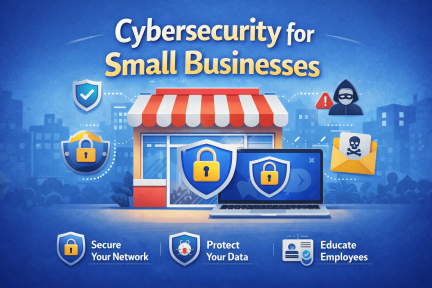
Cybersecurity for small businesses is no longer optional—it is essential. Many small business owners assume hackers only target large enterprises. In reality, small companies are prime targets because attackers expect weaker defenses. If your organization handles customer data, financial records, or online payments, you are already on the radar.
According to industry reports, a significant percentage of cyberattacks target small and medium-sized businesses. Why? Because cybercriminals know many small teams lack dedicated security staff. The good news is that cybersecurity for small businesses does not have to be complicated or expensive. With the right strategy, you can reduce risk dramatically.
This guide will walk you through practical, affordable steps to protect your business, your customers, and your reputation.
Why Cybersecurity for Small Businesses Matters
Small businesses rely heavily on digital systems. From cloud accounting tools to e-commerce platforms, technology drives daily operations. However, every connected system increases your attack surface.
If cybersecurity for small businesses is ignored, the consequences may include:
Data breaches
Ransomware attacks
Financial fraud
Legal penalties
Reputation damage
For many small companies, a major cyber incident can be financially devastating.
Common Cyber Threats Facing Small Businesses
Understanding the risks is the first step toward effective cybersecurity for small businesses.
Phishing Attacks
Phishing emails trick employees into revealing passwords or downloading malware. These attacks are inexpensive for criminals but costly for victims.
Ransomware
Ransomware encrypts business data and demands payment for recovery. Small organizations often lack secure backups, making them vulnerable.
Credential Theft
Weak passwords and reused credentials allow attackers to access business accounts easily.
Insider Threats
Not all threats are external. Employees may accidentally expose data or misuse access privileges.
Supply Chain Attacks
Third-party vendors with weak security can expose your systems indirectly.
Building a Strong Cybersecurity Foundation
Effective cybersecurity for small businesses starts with basic controls.
1. Use Strong Password Policies
Encourage employees to:
Use unique passwords
Avoid common words
Use password managers
Enable multi-factor authentication (MFA)
MFA alone can block many credential-based attacks.
2. Keep Software Updated
Outdated software contains known vulnerabilities. Automate updates for:
Operating systems
Browsers
Plugins
Security tools
Regular patching strengthens cybersecurity for small businesses significantly.
3. Install Reliable Security Software
Every small business should deploy:
Endpoint protection software
Firewall protection
Email filtering solutions
Anti-malware tools
Modern security platforms use AI and behavioral analysis for stronger defense.
Protecting Your Data with Backup Strategies
Data protection is a core pillar of cybersecurity for small businesses.
Follow the 3-2-1 Backup Rule
Keep three copies of data
Store two copies on different media
Maintain one copy offsite or in the cloud
Regular backups protect against ransomware and accidental deletion.
Test Your Backups
Backups are useless if they fail during recovery. Test restoration regularly.
Employee Training: Your First Line of Defense
Technology alone cannot solve security problems. People play a critical role.
Conduct Security Awareness Training
Teach employees how to:
Recognize phishing emails
Avoid suspicious links
Report unusual activity
Protect sensitive data
Even simple training improves cybersecurity for small businesses dramatically.
Simulate Phishing Attacks
Testing employees through simulated phishing campaigns increases awareness and reduces risk.
Secure Remote Work Environments
Remote and hybrid work models require additional safeguards.
Use Virtual Private Networks (VPNs)
VPNs encrypt internet traffic, especially on public Wi-Fi.
Enforce Device Security
Ensure all remote devices have:
Updated software
Endpoint protection
Screen locks
Encrypted storage
Remote work security strengthens overall cybersecurity for small businesses.
Implementing Zero Trust Principles
Zero Trust is not only for large enterprises. Small businesses can adopt its core ideas.
Key Zero Trust Practices
Verify every user and device
Limit access to necessary resources
Monitor activity continuously
Even small steps toward Zero Trust improve resilience.
Compliance Considerations for Small Businesses
Many small businesses must comply with regulations such as:
GDPR
HIPAA
PCI-DSS
Non-compliance can result in fines and reputational harm. Strong cybersecurity for small businesses supports compliance readiness.
Cost-Effective Security Tools for Small Teams
Budget constraints are common. However, affordable options exist.
Cloud-Based Security Solutions
Cloud security platforms often provide:
Scalable pricing
Automatic updates
Built-in monitoring
They reduce the need for in-house infrastructure.
Managed Security Services
Small businesses without dedicated IT staff can outsource monitoring and threat detection to managed service providers.
Incident Response Planning
Preparation reduces panic during a crisis.
Create an Incident Response Plan
Define:
Roles and responsibilities
Communication protocols
Escalation procedures
Recovery steps
Documented plans improve response times.
Monitor Systems Continuously
Use monitoring tools to detect suspicious activity early.
Industry-Specific Risks
Different industries face unique cybersecurity challenges.
Retail
Retail businesses must secure payment systems and customer data.
Healthcare
Healthcare providers handle sensitive patient information and must ensure HIPAA compliance.
Professional Services
Law firms and accounting firms manage confidential client records.
Manufacturing
Manufacturers must protect intellectual property and operational systems.
Measuring Cybersecurity Effectiveness
Small businesses should track simple metrics:
Number of phishing incidents
Patch compliance rate
Backup success rate
Time to detect threats
Measuring performance improves accountability.
Common Mistakes Small Businesses Make
Avoid these pitfalls:
Assuming you are too small to be targeted
Ignoring employee training
Relying on free security tools
Skipping backups
Failing to update software
Proactive action reduces risk.
Frequently Asked Questions
1. Why is cybersecurity for small businesses important?
Small businesses are frequent targets because attackers assume weaker defenses.
2. How much should small businesses invest in cybersecurity?
Investment depends on risk exposure, but basic protections are affordable and scalable.
3. Is antivirus software enough?
No. Modern cybersecurity for small businesses requires layered protection including MFA, backups, and monitoring.
4. Can small businesses implement Zero Trust?
Yes. Even basic access controls and identity verification align with Zero Trust principles.
5. What is the biggest cybersecurity threat to small businesses?
Phishing and ransomware remain the most common threats.
Final Thoughts: Take Action Before It’s Too Late
Cybersecurity for small businesses is about preparation, not fear. With practical steps—strong passwords, regular updates, employee training, secure backups, and modern security tools—you can dramatically reduce risk.
Cyber threats will continue to evolve, but proactive planning ensures your business remains resilient.
Ready to strengthen your cybersecurity knowledge and protect your organization?
👉 Register now to explore advanced cybersecurity training and solutions:
https://openedr.platform.xcitium.com/register/
Protect your business. Secure your future. Stay ahead of cyber threats.

 Loading...