Updated on February 20, 2026, by OpenEDR
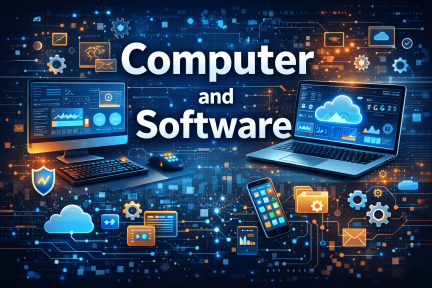
Computer and software systems power every modern organization. From endpoint devices and servers to cloud platforms and SaaS tools, computer and software infrastructure shapes how businesses operate, compete, and defend against cyber threats.
But here’s the real question: Is your computer and software environment strengthening your security posture—or quietly exposing your company to risk?
For IT managers, cybersecurity teams, CEOs, and founders, understanding the relationship between computer and software systems and security strategy is no longer optional. It is essential. In this guide, we’ll break down how computer and software ecosystems impact cybersecurity, operational efficiency, and long-term business resilience.
Understanding Computer and Software in Today’s Enterprise
At its core, computer and software refers to the hardware systems and applications that run your organization. This includes:
Endpoints (laptops, desktops, mobile devices)
Servers and data centers
Cloud computing platforms
Operating systems
Business applications and SaaS tools
Security software solutions
Together, computer and software systems create your digital backbone. However, each layer introduces potential vulnerabilities if not managed properly.
Why Computer and Software Security Matters More Than Ever
Cyber threats are evolving fast. Attackers target weaknesses in computer and software environments because they know businesses rely heavily on interconnected systems.
Expanding Attack Surfaces
Today’s enterprises operate across:
Remote work environments
Multi-cloud infrastructure
Third-party integrations
IoT and connected devices
Each additional device or application increases risk. If computer and software assets are not secured properly, they become entry points for attackers.
Rising Ransomware and Malware Threats
Modern malware exploits outdated software, unpatched systems, and misconfigured endpoints. Ransomware attacks often start with:
Phishing emails
Unsecured remote desktop protocols
Vulnerable operating systems
Maintaining secure computer and software systems reduces exposure dramatically.
Core Components of Secure Computer and Software Infrastructure
To build resilience, organizations must understand the main components of their technology ecosystem.
1. Endpoint Security
Endpoints are among the most targeted computer and software assets.
Why Endpoints Matter
Employees access sensitive data daily
Remote devices connect to corporate networks
Unpatched laptops become easy targets
Implementing endpoint detection and response (EDR) tools strengthens computer and software defenses.
2. Operating System Management
Operating systems form the base of every computer and software environment.
Best practices include:
Applying regular patches
Disabling unused services
Enforcing least privilege access
Using secure configurations
A hardened operating system limits exploit opportunities.
3. Application Security
Applications handle critical business data. Vulnerable apps can expose customer records, financial details, or intellectual property.
Secure Software Development Practices
Conduct code reviews
Perform vulnerability scanning
Use secure coding frameworks
Implement DevSecOps processes
Secure software development protects the entire ecosystem.
4. Cloud and SaaS Governance
Many organizations rely on cloud-based computer and software platforms. While convenient, SaaS sprawl introduces complexity.
Key steps include:
Centralized identity and access management (IAM)
Monitoring third-party integrations
Enforcing multi-factor authentication (MFA)
Conducting regular audits
Cloud visibility strengthens control.
Common Risks in Computer and Software Environments
Understanding risks helps leaders make smarter investments.
Outdated Software
Legacy systems often lack modern security updates. Attackers frequently exploit known vulnerabilities in outdated computer and software platforms.
Action Tip: Maintain a strict patch management schedule.
Poor Access Controls
Weak authentication systems allow unauthorized access.
Solution:
Adopt Zero Trust architecture and enforce least privilege access policies.
Shadow IT
Employees sometimes install unauthorized tools. These unmanaged computer and software assets create blind spots.
Prevention Strategy:
Use monitoring tools to detect and manage unauthorized applications.
Insider Threats
Not all risks come from outside. Employees with excessive permissions can accidentally or intentionally compromise systems.
Regular access reviews reduce this risk.
How Computer and Software Impact Business Strategy
Computer and software decisions influence more than security. They shape productivity, innovation, and customer trust.
Operational Efficiency
Well-managed computer and software systems:
Reduce downtime
Improve collaboration
Automate repetitive tasks
Streamline workflows
Poorly maintained systems slow teams and increase frustration.
Competitive Advantage
Modern, secure infrastructure enables:
Faster product launches
Secure digital services
Better customer experiences
Scalable growth
Technology becomes a business enabler, not just an IT expense.
Regulatory Compliance
Industries such as finance, healthcare, and retail must comply with data protection laws.
Secure computer and software management supports compliance with:
GDPR
HIPAA
PCI-DSS
SOC 2
Failing to secure systems can lead to fines and reputational damage.
Best Practices for Managing Computer and Software Security
To build a strong foundation, organizations should implement structured processes.
1. Conduct Regular Risk Assessments
Identify vulnerabilities across hardware, applications, and cloud services.
2. Automate Patch Management
Manual updates create gaps. Automation ensures consistency.
3. Implement Strong Identity Controls
Use:
Multi-factor authentication
Single sign-on
Role-based access control
Continuous identity monitoring
Identity protection strengthens computer and software security.
4. Monitor in Real Time
Deploy tools that:
Detect unusual behavior
Analyze network traffic
Identify malware activity
Trigger automated responses
Proactive monitoring reduces response time.
5. Train Employees
Even the most secure computer and software systems can fail if users click malicious links.
Employee awareness training should cover:
Phishing detection
Password hygiene
Secure remote work practices
Data handling policies
Human vigilance matters.
Emerging Trends in Computer and Software Security
Technology evolves rapidly. Staying informed helps organizations adapt.
Artificial Intelligence in Security
AI-powered tools analyze computer and software activity in real time. They detect patterns humans may miss.
Zero Trust Architecture
Zero Trust removes implicit trust from networks. Every device and user must verify access continuously.
Cloud-Native Security
As more computer and software systems migrate to the cloud, cloud-native protection tools become essential.
Extended Detection and Response (XDR)
XDR platforms unify data across endpoints, networks, and servers. They provide holistic visibility into computer and software ecosystems.
How IT Leaders Can Align Computer and Software Strategy with Business Goals
Technology decisions should align with long-term objectives.
Step 1: Evaluate Current Infrastructure
Understand what computer and software assets exist.
Step 2: Identify Security Gaps
Assess vulnerabilities and compliance risks.
Step 3: Prioritize High-Impact Improvements
Focus on upgrades that deliver both security and operational value.
Step 4: Invest in Scalable Solutions
Choose platforms that grow with your organization.
Step 5: Measure Performance Metrics
Track:
Incident response time
Downtime reduction
Patch compliance rates
Security incident frequency
Data-driven decisions strengthen ROI.
Frequently Asked Questions (FAQs)
1. What is the difference between computer and software?
A computer refers to the physical hardware system, while software consists of programs and applications that run on that hardware.
2. Why is computer and software security important?
Because cybercriminals exploit vulnerabilities in hardware and applications to access sensitive data, disrupt operations, and deploy malware.
3. How often should software be updated?
Organizations should apply security patches immediately after release and conduct regular update cycles to maintain protection.
4. What role does Zero Trust play in securing computer and software systems?
Zero Trust verifies every user and device continuously, reducing the risk of unauthorized access across systems.
5. Can small businesses secure their computer and software effectively?
Yes. By using managed security solutions, enforcing strong authentication, and applying regular updates, small businesses can significantly reduce risk.
Final Thoughts: Strengthen Your Computer and Software Strategy Today
Your computer and software infrastructure defines your organization’s digital strength. When managed strategically, it drives innovation, protects sensitive data, and enables secure growth. When neglected, it becomes a liability.
Cyber threats will continue to evolve. Attack surfaces will expand. However, organizations that prioritize secure computer and software management will stay resilient and competitive.
If you’re ready to enhance your cybersecurity knowledge and strengthen your technology strategy, take the next step today.
👉 Register now to explore advanced cybersecurity training and solutions:
https://openedr.platform.xcitium.com/register/
Secure your systems. Empower your teams. Lead with confidence.

 Loading...