
Updated on February 13, 2026, by OpenEDR
Software license management is no longer just an administrative task—it’s a critical business function. If your organization uses dozens or even hundreds of applications, poor software license management can lead to compliance fines, wasted budget, and serious cybersecurity risks.
Here’s the problem: many companies don’t know how many licenses they own, how many they use, or whether they’re compliant with vendor agreements. That gap creates financial exposure and opens the door to shadow IT and unpatched systems.
In this guide, we’ll explore what software license management is, why it matters for cybersecurity and IT governance, and how IT managers, CEOs, and security leaders can build a smarter, more secure strategy.
What Is Software License Management?
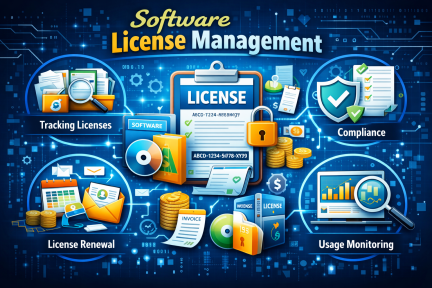
Software license management (SLM) is the process of tracking, controlling, and optimizing software licenses across an organization. It ensures that businesses use software legally, efficiently, and securely.
At its core, software license management helps organizations:
Monitor software usage
Track license agreements
Avoid over-licensing or under-licensing
Ensure vendor compliance
Reduce unnecessary IT spending
It is often part of a broader Software Asset Management (SAM) strategy.
Why Software License Management Matters More Than Ever
In today’s digital landscape, businesses rely heavily on SaaS applications, cloud platforms, and endpoint software. Without structured software license management, visibility disappears quickly.
Financial Risk
Over-licensing wastes budget. Under-licensing can result in heavy penalties during vendor audits.
Cybersecurity Exposure
Unused or unauthorized software often lacks updates. That creates vulnerabilities attackers exploit.
Compliance Requirements
Industries such as healthcare, finance, and retail must maintain strict IT governance standards. Software license management supports audit readiness.
For cybersecurity professionals and IT managers, software license management is directly linked to risk reduction.
Key Components of Software License Management
To build an effective program, you need several core elements.
1. Software Inventory Management
You cannot manage what you cannot see.
Maintain a real-time inventory of:
Installed applications
License types
Version numbers
Active users
Expiration dates
Automated discovery tools simplify this process.
2. License Tracking and Documentation
Proper documentation ensures compliance with licensing agreements.
Track:
Purchase records
Subscription renewals
User allocations
Vendor contracts
Maintenance agreements
This prevents costly surprises during audits.
3. Usage Monitoring
Understanding actual software usage allows optimization.
For example:
Remove unused licenses
Downgrade rarely used subscriptions
Reallocate resources
Usage data helps eliminate waste.
4. Compliance Auditing
Regular internal audits ensure alignment with vendor terms.
Schedule reviews quarterly or biannually. This proactive approach prevents last-minute panic during official audits.
Types of Software Licenses You Must Manage
Effective software license management requires understanding different license models.
Perpetual Licenses
One-time purchase with ongoing usage rights.
Subscription Licenses
Recurring payments for continued access (common in SaaS).
Concurrent Licenses
Limited number of users can access the software simultaneously.
Named User Licenses
Assigned to specific individuals.
Open-Source Licenses
Require compliance with specific distribution or usage rules.
Each type requires different tracking strategies.
The Hidden Cybersecurity Impact of Poor License Management
Many leaders overlook the security connection.
Here’s how poor software license management increases risk:
Shadow IT
Employees may install unauthorized tools if official licenses are unavailable.
Unpatched Software
Expired licenses may stop receiving updates, leaving systems vulnerable.
Overlooked Endpoints
Unused applications increase attack surfaces.
Compliance Gaps
Failure to meet licensing terms may lead to legal issues and data governance violations.
Cybersecurity teams must collaborate with IT asset management teams to close these gaps.
Benefits of Effective Software License Management
When done correctly, software license management delivers measurable business value.
Cost Optimization
Organizations often recover 15–30% of wasted software spend after proper audits.
Reduced Legal Risk
Staying compliant prevents penalties and audit stress.
Improved IT Visibility
Centralized tracking improves governance and reporting.
Enhanced Security Posture
Eliminating unauthorized software reduces vulnerabilities.
Better Strategic Planning
Usage insights inform smarter budgeting and technology investments.
Software License Management Best Practices
If you want to improve your strategy, start with these actionable steps.
1. Centralize License Tracking
Use a unified dashboard or asset management platform.
2. Automate Discovery
Manual tracking is error-prone. Automated tools ensure accuracy.
3. Conduct Regular Audits
Internal reviews reduce external audit risks.
4. Implement Access Controls
Limit installation privileges to prevent unauthorized downloads.
5. Align IT and Security Teams
Software license management should not operate in isolation.
6. Monitor SaaS Usage Carefully
Cloud applications are often the hardest to track.
Common Challenges in Software License Management
Despite best intentions, organizations face obstacles.
Complex Vendor Agreements
Licensing terms can be difficult to interpret.
Decentralized Purchasing
Departments may buy tools independently.
Rapid SaaS Growth
Subscription sprawl increases management complexity.
Lack of Visibility Across Remote Workforces
Hybrid work makes tracking more challenging.
Overcoming these challenges requires automation and executive oversight.
The Role of Automation in Modern License Management
Manual spreadsheets no longer work.
Modern software license management tools offer:
Real-time inventory tracking
License optimization suggestions
Automated renewal reminders
Integration with endpoint detection tools
Policy enforcement
Automation reduces human error and strengthens compliance.
How Software License Management Supports Zero Trust
Zero Trust security models require strict visibility and access control.
Software license management supports Zero Trust by:
Limiting unnecessary software installations
Reducing attack surfaces
Monitoring endpoint compliance
Enforcing least privilege access
Security begins with knowing what software runs in your environment.
Industry-Specific Considerations
Different industries face unique challenges.
Healthcare
Strict HIPAA requirements demand software compliance and audit trails.
Finance
Regulations require detailed documentation and reporting.
Manufacturing
Operational software must align with licensing terms to avoid production disruption.
Technology Companies
Rapid scaling demands scalable license tracking systems.
CEOs and founders must view software license management as strategic governance—not just IT administration.
Choosing the Right Software License Management Solution
When evaluating tools, consider:
Scalability
Cloud compatibility
Integration with cybersecurity platforms
Real-time reporting
Compliance tracking features
The right solution should support both IT efficiency and cybersecurity goals.
Measuring ROI from Software License Management
You can measure success using:
Cost savings from license optimization
Reduced audit findings
Improved patch compliance rates
Decreased unauthorized software installations
Lower IT support tickets
Clear metrics help justify continued investment.
Frequently Asked Questions (FAQ)
1. What is software license management?
Software license management is the process of tracking, managing, and optimizing software licenses to ensure compliance and reduce costs.
2. Why is software license management important for cybersecurity?
It reduces shadow IT, ensures software updates remain active, and limits vulnerabilities caused by unauthorized installations.
3. How often should companies audit their software licenses?
At minimum, conduct internal audits twice a year. High-risk industries may require quarterly reviews.
4. What happens if a company fails a software audit?
Vendors may impose financial penalties, require back payments, or terminate contracts.
5. Can automation improve software license management?
Yes. Automated tools improve accuracy, reduce manual errors, and provide real-time visibility.
Final Thoughts: Take Control of Your Software Environment
Software license management is not just about tracking purchases. It’s about protecting your organization from financial waste, compliance risks, and cybersecurity vulnerabilities.
Without proper oversight, unused applications and expired subscriptions quietly weaken your IT environment. With a strong strategy, however, you gain visibility, control, and confidence.
If you’re ready to strengthen your software governance and enhance your cybersecurity posture—
👉 Get started today:
https://openedr.platform.xcitium.com/register/
Take control of your software environment and secure your organization from unnecessary risk.

 Loading...