
Updated on December 22, 2025, by OpenEDR
Cyber threats are evolving faster than ever, and one malicious virus can cripple an entire organization. Whether it’s ransomware, spyware, or zero-day malware, effective protection for virus attacks is now a top priority for businesses of every size. Yet many organizations still rely on outdated defenses that fail against modern threats.
For IT managers, cybersecurity teams, CEOs, and founders, understanding protection for virus threats is essential to safeguard operations, data, and customer trust. This guide explains what virus protection really means today, why traditional antivirus tools fall short, and how organizations can build strong, layered defenses against malware.
What Is Protection for Virus in Cybersecurity?
Protection for virus refers to the tools, processes, and strategies used to prevent, detect, and remove malicious software from systems and networks. Viruses are just one category of malware, but they remain one of the most common and destructive threats.
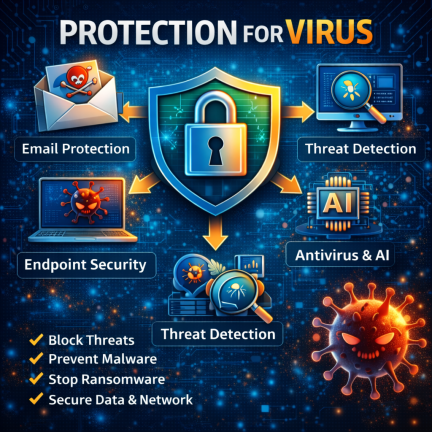
Modern virus protection goes beyond basic scanning. It includes real-time monitoring, behavioral analysis, threat intelligence, and automated response mechanisms designed to stop threats before damage occurs.
Why Protection for Virus Is More Critical Than Ever
Cybercriminals are no longer relying on simple viruses. Today’s malware is stealthy, adaptive, and often designed to bypass traditional defenses.
Effective protection for virus is critical because:
Malware attacks are increasing in frequency
Remote and hybrid work expands attack surfaces
Viruses can lead to data breaches and downtime
Regulatory penalties for breaches are rising
For business leaders, weak virus protection is not just a technical risk—it’s a financial and reputational one.
Common Types of Viruses and Malware
Understanding the threat landscape helps clarify why advanced protection for virus threats is necessary.
Most Common Malware Types
File-infecting viruses – Attach to legitimate programs
Ransomware – Encrypts data and demands payment
Spyware – Steals sensitive information silently
Trojans – Disguised as legitimate software
Worms – Spread automatically across networks
Each type requires different detection and mitigation techniques.
How Viruses Enter Business Environments
Viruses often exploit human behavior and system vulnerabilities.
Common Infection Vectors
Phishing emails with malicious attachments
Compromised websites and downloads
Unpatched software vulnerabilities
Infected USB devices
Weak remote access security
Strong protection for virus threats focuses on blocking these entry points before malware executes.
Traditional Antivirus vs Modern Virus Protection
Many organizations still rely on signature-based antivirus tools. Unfortunately, these tools struggle against modern threats.
| Feature | Traditional Antivirus | Modern Virus Protection |
|---|---|---|
| Detection Method | Signature-based | Behavioral & AI-driven |
| Zero-Day Protection | Limited | Strong |
| Threat Response | Manual | Automated |
| Visibility | Endpoint only | Endpoint + network |
Modern protection for virus threats requires more than scanning known files.
Key Components of Effective Protection for Virus
To stay secure, organizations must adopt a layered approach.
Essential Components
Real-time threat detection
Behavioral analysis
Endpoint detection and response (EDR)
Automated threat containment
Continuous monitoring and logging
Together, these components provide proactive protection rather than reactive cleanup.
Best Practices for Virus Protection
Strong protection for virus threats is not achieved through tools alone.
Actionable Best Practices
Keep all systems and software updated
Enforce least-privilege access controls
Use strong email security filters
Train employees to recognize phishing
Monitor endpoints continuously
These steps dramatically reduce infection risk.
The Role of Endpoint Security in Virus Protection
Endpoints are the primary targets for viruses. Laptops, desktops, and servers are often the first point of compromise.
Advanced endpoint security platforms provide:
Real-time malware prevention
Isolation of infected devices
Rapid remediation
Visibility across the organization
Endpoint-focused protection for virus threats is essential in modern IT environments.
Protection for Virus in Remote and Hybrid Work
Remote work has expanded attack surfaces. Home networks and personal devices introduce new risks.
Security Considerations
Secure remote access with Zero Trust principles
Protect endpoints outside the office
Monitor cloud-based workloads
Enforce consistent security policies
Organizations must adapt virus protection strategies to support distributed teams.
Compliance and Virus Protection
Many regulations require strong malware protection.
Common Compliance Frameworks
PCI DSS
HIPAA
GDPR
ISO 27001
Effective protection for virus threats supports compliance by preventing breaches and ensuring system integrity.
Industries Most Vulnerable to Virus Attacks
While all businesses face risk, some industries are frequent targets.
High-Risk Industries
Healthcare
Financial services
Retail and e-commerce
Manufacturing
Professional services
In these sectors, a virus outbreak can halt operations entirely.
The Cost of Inadequate Virus Protection
Failing to invest in protection for virus threats can be extremely costly.
Potential Consequences
Operational downtime
Data loss
Regulatory fines
Legal action
Loss of customer trust
Proactive protection is far less expensive than recovery after an incident.
Future Trends in Virus Protection
Cybersecurity continues to evolve alongside threats.
Emerging Trends
AI-driven malware detection
Automated incident response
Zero Trust endpoint security
Unified security platforms
Forward-thinking organizations are adopting these innovations to stay ahead.
FAQs: Protection for Virus
1. What is protection for virus in cybersecurity?
It includes tools and strategies designed to prevent, detect, and remove malicious software from systems.
2. Is antivirus software enough for virus protection?
No. Modern threats require advanced endpoint detection and behavioral analysis.
3. How often should virus protection be updated?
Continuously. Real-time updates and monitoring are essential.
4. Can virus protection prevent ransomware?
Yes, advanced solutions can detect and block ransomware before encryption occurs.
5. Does virus protection support compliance?
Yes. Strong malware protection helps meet regulatory security requirements.
Final Thoughts: Why Virus Protection Must Be Proactive
Effective protection for virus threats is no longer about reacting after infection—it’s about stopping attacks before they begin. As malware grows more sophisticated, organizations must adopt modern, automated, and layered defenses.
For IT managers, cybersecurity professionals, and business leaders, investing in strong virus protection is essential to protect operations, data, and long-term growth.
Strengthen Your Virus Protection Today
Defend your organization against modern malware with advanced endpoint security and automated threat response.
👉 Get started now:
https://openedr.platform.xcitium.com/register/

 Loading...