Updated on December 8, 2025, by OpenEDR
Cyber threats are growing at an alarming rate. In fact, over 80% of successful breaches begin at an endpoint, whether it’s a laptop, mobile device, workstation, or server. This makes choosing the right endpoint security software one of the most important decisions for any business—especially as remote work expands and attack surfaces increase.
If your organization handles sensitive data, manages distributed teams, or operates in a highly regulated industry, endpoint protection is not optional—it’s essential. In this guide, you’ll learn how endpoint security software works, why it matters, key features to look for, and actionable steps to keep your environment safe.
What Is Endpoint Security Software?
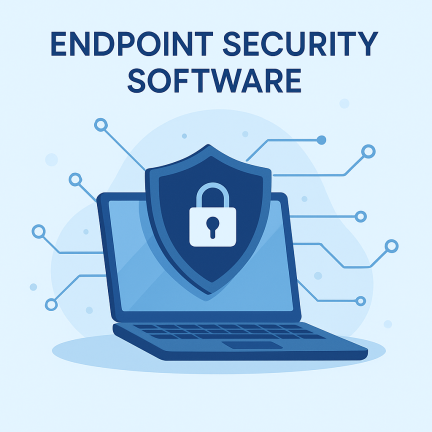
Endpoint security software is a cybersecurity solution that protects devices such as desktops, laptops, mobile phones, and servers from cyber threats. Unlike traditional antivirus tools, endpoint security uses advanced techniques like AI-driven detection, behavioral monitoring, and cloud-based analytics to detect both known and unknown attacks.
As cybercriminals become more sophisticated, endpoint solutions must defend against malware, phishing attempts, ransomware, fileless attacks, and insider threats—all while maintaining system performance.
Why Endpoint Security Software Is Critical in 2026
The modern workplace relies heavily on connected devices, cloud applications, and remote networks. Every new device becomes a potential entry point for attackers. Businesses must stay ahead of these risks.
1. The Increase in Remote & Hybrid Work
Remote devices often connect from unsecured networks. Endpoint tools enforce security policies no matter where users are located.
2. The Rise of Advanced Cyber Threats
Zero-day attacks, AI-powered malware, and ransomware are evolving rapidly. Traditional antivirus cannot detect behavior-based threats.
3. Compliance Requirements Are Stricter
Industries like healthcare, finance, and government must meet strict data protection standards, which endpoint solutions help enforce.
4. Devices Are the First Point of Attack
More than 90% of attacks start with a user action, like clicking a link or opening an attachment. Your defense must be proactive, not reactive.
5. Businesses Need Real-Time Visibility
Endpoint tools give IT teams centralized dashboards to monitor devices, detect anomalies, and respond instantly.
How Endpoint Security Software Works Behind the Scenes
Understanding how these tools function helps leaders make informed decisions.
1. Real-Time Threat Detection
The software continuously monitors file activity, system processes, and user behavior. Suspicious actions trigger immediate alerts.
2. Behavioral Analysis
Instead of relying only on virus signatures, modern tools detect patterns. If a file behaves abnormally—such as encrypting data rapidly—it is flagged instantly.
3. Machine Learning & AI
Algorithms learn from millions of known attacks to identify variations of malware and zero-day exploits.
4. Cloud-Based Threat Intelligence
Endpoint tools share data with cloud networks that track global attack activity.
This provides:
Faster detection
More accurate risk scoring
Better protection for distributed teams
5. Automatic Containment
Some platforms isolate unknown files before they execute, blocking malware without interrupting workflow.
6. Centralized Management for IT Teams
Dashboards allow teams to:
Monitor endpoints
Enforce policies
Apply patches
Remotely quarantine threats
This is essential for large organizations and multi-location environments.
Key Features to Look for in Endpoint Security Software
Not all solutions are created equal. Businesses need advanced, scalable, and secure platforms.
1. Multi-Layered Threat Protection
Look for tools that defend against:
Ransomware
Zero-day threats
Fileless malware
Phishing attacks
Insider threats
2. AI-Powered Detection
Artificial intelligence helps identify new threats before they spread.
3. Real-Time Monitoring
Continuous monitoring ensures immediate threat detection and rapid response.
4. Device Isolation & Containment
Endpoint security should automatically contain suspicious processes to stop lateral movement.
5. Cloud-Based Management
This allows easy management across:
Remote teams
Distributed offices
Multi-device environments
6. Patch Management Integration
Unpatched devices are a major risk. Automated patching reduces vulnerabilities.
7. Lightweight Performance
Security should not slow down productivity. Modern tools run efficiently in the background.
How Endpoint Security Supports Cybersecurity Teams
Endpoint tools help security professionals stay proactive.
1. Increased Visibility Across All Devices
IT teams can see which devices are:
Compliant
Infected
Offline
At risk
2. Automated Response & Remediation
Instead of manually resolving issues, endpoint tools automate:
Threat removal
Device quarantine
Policy enforcement
3. Faster Investigation
Threat reports provide clear, actionable insights that shorten investigation time.
4. Reduced Attack Surface
Good endpoint software minimizes risks across the organization.
Endpoint Security Software for Different Industries
Every business has unique cybersecurity challenges.
| Industry | Common Risks | Endpoint Benefits |
|---|---|---|
| Healthcare | Ransomware, HIPAA violations | Device isolation, encrypted data monitoring |
| Finance | Fraud, credential theft | Zero-day protection, strong compliance tools |
| Retail | POS malware, supply chain attacks | Centralized device management |
| Manufacturing | OT attacks, outdated systems | Hybrid environment protection |
| Government | espionage, sophisticated attacks | AI detection, policy enforcement |
How Endpoint Security Software Helps CEOs and Business Leaders
For executives, cybersecurity is not just an IT concern—it’s a business priority.
1. Protects Brand Reputation
Data breaches damage trust and customer loyalty.
2. Reduces Operational Downtime
Endpoint security prevents ransomware from stopping operations.
3. Supports Compliance
Failing compliance audits can result in heavy fines.
4. Improves Productivity
Fewer infections mean fewer disruptions across the workforce.
Choosing the Best Endpoint Security Software: A Buyer’s Checklist
Use this checklist to evaluate solutions:
✔ Multi-layered protection
✔ Real-time scanning & monitoring
✔ AI-based threat detection
✔ Automatic containment
✔ Cloud-based console
✔ Low performance impact
✔ Compliance-friendly reporting
✔ Strong vendor reputation
If a tool meets most of these criteria, it’s worth considering.
Endpoint Security Software vs. Traditional Antivirus
Traditional antivirus is no longer enough. Here’s why:
| Traditional Antivirus | Endpoint Security Software |
|---|---|
| Signature-based | Behavior-based + AI |
| Limited protection | Multi-layered defense |
| No real-time containment | Automatic isolation |
| Not built for remote teams | Cloud-native |
| Basic scanning | Advanced analytics & monitoring |
This evolution is essential for modern cybersecurity.
Common Cyber Threats Endpoint Security Software Protects Against
1. Ransomware
Stops encryption attempts before they spread.
2. Phishing
Blocks malicious links and credentials theft attempts.
3. Malware & Trojans
Removes dangerous files before execution.
4. Zero-Day Exploits
AI detects suspicious behavior even without signatures.
5. Insider Threats
Monitors abnormal user activity to flag misuse.
Best Practices for Maximizing Endpoint Security
1. Keep Software Updated
Outdated tools leave gaps for attackers.
2. Train Employees
Most attacks begin with user error.
3. Enable Multi-Factor Authentication
Adds a strong security layer.
4. Use Strong Policies Across Devices
Consistent enforcement helps reduce risk.
5. Implement Continuous Monitoring
Threats evolve daily—monitoring must be ongoing.
Why IT Managers Prefer Centralized Endpoint Security Platforms
Managing hundreds—or thousands—of devices is difficult without automation.
Benefits include:
Single console management
Fast deployment
Real-time alerts
Automated remediation
Consistent policy enforcement
Teams save hours of manual work and reduce errors.
Xcitium’s Advantage: ZeroDwell Containment + Modern Endpoint Security
Xcitium offers one of the most advanced endpoint security solutions on the market, powered by ZeroDwell Containment, which isolates unknown threats instantly—before they execute.
Key Benefits
Real-time malware blocking
AI-powered threat detection
Lightweight performance
Centralized cloud dashboard
Enterprise scalability
Businesses across all industries choose Xcitium for its unmatched detection and prevention capabilities.
Conclusion: Endpoint Security Software Is Essential in 2026
As cyber threats grow more sophisticated, the need for powerful endpoint security software has never been greater. From small businesses to global enterprises, endpoint protection forms the foundation of modern cybersecurity. With cloud-based management, AI-driven intelligence, and proactive containment, organizations can prevent attacks, reduce downtime, and protect their digital assets.
Now is the time to strengthen your defenses.
Protect Your Endpoints Today — Try Xcitium for Free
Take the next step toward securing your organization.
👉 Register now:
https://openedr.platform.xcitium.com/register/
Frequently Asked Questions (FAQ)
1. What is endpoint security software?
It’s a cybersecurity solution that protects devices such as laptops, desktops, and servers from malware, ransomware, and cyber threats.
2. How is endpoint security different from antivirus?
Antivirus is signature-based, while endpoint security uses behavior analysis, AI, and real-time containment.
3. Does endpoint security software slow down devices?
Modern tools are lightweight and optimized to run without impacting performance.
4. Is endpoint protection necessary for small businesses?
Yes. Small businesses are often targeted because they have weaker defenses.
5. Can endpoint security stop ransomware?
Yes. With real-time detection and automatic containment, ransomware can be stopped before encryption begins.

 Loading...