Updated on December 3, 2025, by OpenEDR
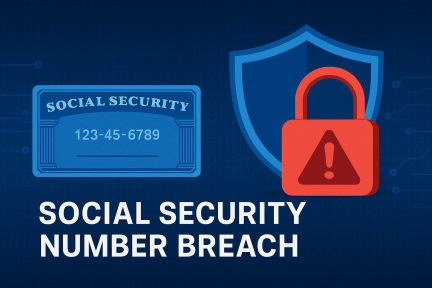
Have you ever imagined what could happen if your most sensitive personal identifier—the Social Security Number (SSN)—fell into the wrong hands? A social security number breach is one of the most dangerous types of data exposure because it can lead to long-term identity theft, financial fraud, tax refund scams, and even criminal impersonation.
Unfortunately, SSN-related breaches happen far more often than people realize. With cyberattacks increasing across all industries, no organization—big or small—is immune. And unlike a password, your SSN cannot be changed once exposed.
In this friendly, easy-to-read guide, you’ll learn what causes these breaches, the risks involved, and the exact steps businesses and individuals must take to stay protected.
What Is a Social Security Number Breach?
A social security number breach occurs when unauthorized individuals gain access to SSNs stored by businesses, government agencies, healthcare organizations, financial institutions, or individuals.
SSNs are often exposed during:
Cyberattacks
Phishing scams
Database leaks
Insider threats
Physical document theft
Because the SSN is a lifelong identifier tied to credit, banking, taxes, and employment—it is one of the most valuable data points for cybercriminals.
Why Hackers Want Social Security Numbers
Hackers aren’t just collecting SSNs for fun—they sell them, trade them, and use them to commit long-term fraud. Your SSN is practically a master key to your identity.
Why SSNs are so valuable:
1. Permanent Identifier
Unlike usernames or passwords, your SSN never changes.
2. Linked to Financial Accounts
Banks, credit bureaus, and lenders use SSNs to verify identities.
3. Used for Government Benefits
Criminals can file fraudulent tax returns, unemployment claims, and Medicare scams.
4. Easy to Sell on the Dark Web
A stolen SSN can sell for as much as $10–$60, depending on completeness of the identity record.
5. Used for Synthetic Identity Theft
Hackers combine a real SSN with fake personal details to open accounts without detection.
In short: an SSN breach can affect someone for life.
How Social Security Numbers Are Commonly Exposed
Most people assume SSN breaches only happen during “big hacks,” but exposure can come from surprising sources.
Here are the most common ways:
1. Phishing Emails & Social Engineering
Hackers trick employees or individuals into revealing sensitive information.
2. Database Vulnerabilities
Outdated, unpatched systems are a goldmine for cybercriminals.
3. Ransomware Attacks
Hackers steal and encrypt data, including SSNs, to demand payment.
4. Lost or Stolen Devices
Unencrypted laptops, USB drives, and mobile phones can leak vast amounts of data.
5. Misconfigured Cloud Storage
Open or improperly secured Amazon S3 buckets and cloud databases are a common cause of SSN leaks.
6. Insider Threats
Employees with access to SSNs may misuse or leak data—either intentionally or accidentally.
7. Physical Document Theft
Old files, trash bins, and mail can still expose SSNs.
8. Third-Party Vendor Breaches
Even if your systems are secure, a vendor breach can leak your customer SSNs.
Signs Your Social Security Number Has Been Compromised
If your SSN has been leaked, you may notice:
1. Unknown Accounts or Loans
Banks or lenders contact you about accounts you never opened.
2. Strange Credit Report Activity
Unrecognized inquiries or drops in your credit score.
3. IRS Notifications
The IRS tells you a tax return has already been filed in your name.
4. Bills or Statements You Don’t Recognize
Medical bills for services you never received.
5. Employment Issues
Notifications involving jobs you never held.
6. Debt Collection Calls
Collectors attempt to recover debt you never created.
If any of these occur, your SSN must be treated as compromised.
Risks & Consequences of Social Security Number Breaches
A social security number breach can lead to long-term financial and personal harm.
1. Identity Theft
Hackers can pose as you to access services, credit, or benefits.
2. Financial Fraud
Loans, credit cards, and bank withdrawals can occur under your identity.
3. Tax Refund Theft
Criminals file fraudulent tax returns to steal refunds.
4. Healthcare Fraud
Your SSN can be used to receive medical services or prescriptions.
5. Criminal Identity Theft
A criminal may use your SSN when arrested, leaving your name linked to their crimes.
6. Long-Term Credit Damage
Cleaning up identity theft can take months or even years.
7. Business & Legal Liability
For companies, SSN exposure can lead to:
regulatory penalties
lawsuits
compliance violations
devastating reputational damage
This is why every organization must prioritize SSN protection.
How Businesses Can Prevent SSN Data Breaches
Because SSNs are extremely sensitive, businesses must use strong cybersecurity practices.
Here’s how organizations can reduce SSN exposure:
1. Use Encryption for Data Storage & Transmission
Encrypt SSNs in databases, backups, and internal communications.
2. Implement Zero-Trust Access Controls
Only authorized employees should access identifying information.
3. Deploy Endpoint Detection & Response (EDR)
EDR stops ransomware, malware, and unauthorized data access.
4. Train Employees on Social Engineering Awareness
Phishing is still the #1 cause of SSN exposure.
5. Use Data Masking Techniques
Display partial SSNs (e.g., –-1234*) instead of full numbers.
6. Secure Cloud Environments & Storage
Misconfigured cloud buckets are a major vulnerability.
7. Patch Systems Regularly
Unpatched systems leave organizations open to breaches.
8. Monitor Logs & Suspicious Activity
Intrusion detection and anomaly monitoring can alert teams early.
9. Limit Data Retention
Delete SSNs that are no longer required by law or business operations.
10. Use Tokenization
Replace SSNs with non-sensitive tokens in internal systems.
What Individuals Should Do After a Social Security Number Breach
If your SSN has been exposed, act quickly.
1. Freeze Your Credit
This prevents anyone from opening accounts in your name.
2. Monitor Your Credit Reports
Use annualcreditreport.com to check all three bureaus.
3. Set Fraud Alerts
Request alerts from Experian, Equifax, or TransUnion.
4. File an Identity Theft Report
Submit directly at identitytheft.gov.
5. Contact the IRS
If you suspect tax fraud, notify the IRS immediately using Form 14039.
6. Review Banking Accounts
Look for suspicious withdrawals or transactions.
7. Replace Compromised Cards or Documents
Notify your bank, healthcare provider, and employer.
8. Use Identity Monitoring Services
These services monitor dark web activity involving your SSN.
Cybersecurity Tools That Reduce SSN Exposure
One of the most effective ways to prevent breaches is through strong endpoint protection.
Modern attacks often occur through:
phishing emails
infected attachments
compromised software downloads
remote device attacks
Tools like Xcitium OpenEDR help detect and prevent threats by:
Monitoring suspicious activity
Blocking unauthorized access
Preventing malware, ransomware, and intrusions
Securing employee devices
Providing visibility across all endpoints
For organizations handling sensitive data, EDR is essential.
Final Thoughts
A social security number breach is one of the most severe forms of data exposure. Whether you are an individual, a small business, or a large enterprise, protecting SSNs should be a top priority. With cyberattacks becoming more sophisticated each year, proactive protection is the only way to avoid long-term damage.
To protect your organization’s devices, data, and employees from cyber threats:
👉 Get Free Enterprise-Grade Endpoint Protection with Xcitium OpenEDR:
https://openedr.platform.xcitium.com/register/
Frequently Asked Questions (FAQ)
1. How do I know if my SSN has been breached?
Look for unknown credit accounts, IRS notices, or suspicious financial activity.
2. Can you change your Social Security Number after a breach?
In rare and extreme cases, yes—but it’s extremely difficult and not guaranteed.
3. What is the biggest risk of SSN theft?
Long-term identity theft that affects banking, credit, employment, and taxes.
4. How can businesses protect SSNs?
Use encryption, EDR tools, access controls, cloud security, and employee training.
5. What should I do immediately after an SSN breach?
Freeze your credit, file fraud alerts, monitor reports, and notify the IRS if needed.

 Loading...