Updated on November 13, 2025, by OpenEDR
When companies talk about securing their IT infrastructure, one term always stands out: data center security. But what exactly does it mean, and why are modern organizations investing more in data center protection than ever before? As cyberattacks grow more sophisticated—from ransomware to insider threats—IT managers and cybersecurity leaders must ensure that the backbone of their operations is fully protected.
In this conversational guide, we break down what data center security is, why it’s essential, and which best practices and tools every business should implement to protect mission-critical environments.
What Is Data Center Security? (And Why It Matters More Than Ever)
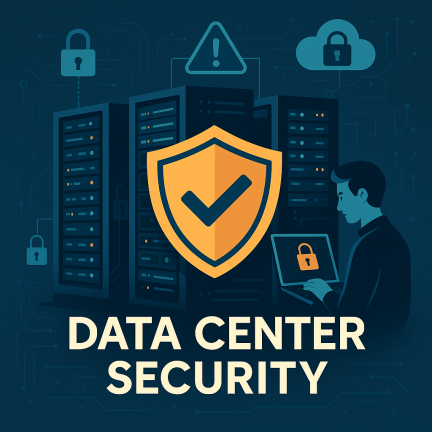
Data center security refers to the collection of policies, technologies, and controls used to protect data centers from cyber threats, physical breaches, and operational failures. A data center houses servers, networking equipment, applications, storage, and sensitive business data—making it one of the most valuable and targeted assets in any organization.
Think of your data center as the “digital brain” of your company. If it’s compromised, the entire business is at risk.
Why Cybercriminals Target Data Centers
They store massive volumes of sensitive data
They host mission-critical applications
They provide access to internal networks
Downtime can cost millions per hour
Ransomware groups, nation-state actors, and even criminal insiders know that attacking a data center delivers the biggest impact with the least effort.
Key Pillars of Data Center Security
Data center protection typically falls into three major categories:
1. Physical Security Controls
Even the strongest cybersecurity tools fail if someone can walk into a data center and access the hardware directly.
Essential physical security components include:
Biometric access control (fingerprint, retina scan, facial recognition)
24/7 video surveillance and monitoring
Mantraps and security checkpoints
Environmental controls (fire suppression, cooling, humidity sensors)
Secure access entry logs and ID badges
Physical threats still happen—including unauthorized access by disgruntled employees—so physical protection is non-negotiable.
2. Network Security
Your organization’s network is the bridge connecting users and data. Without robust security, cybercriminals can exploit vulnerabilities and move laterally within the environment.
Must-have network protections include:
Next-generation firewalls (NGFW)
Intrusion detection and prevention systems (IDS/IPS)
Zero Trust network access (ZTNA)
Network segmentation to prevent lateral movement
VPN or secure remote access technologies
With hybrid work becoming the norm, network security must extend beyond internal walls to remote employees and cloud environments.
3. Cybersecurity & Endpoint Protection
Cyberattacks such as malware, ransomware, and zero-day exploits can infiltrate a data center through devices, unsecured software, or vulnerable entry points.
Critical cybersecurity solutions include:
Endpoint Detection and Response (EDR)
Extended Detection and Response (XDR)
Anti-malware and anti-ransomware tools
Data Loss Prevention (DLP)
Cloud security posture management (CSPM)
Modern environments must include real-time threat detection and automated containment capabilities—especially against ransomware variants that spread automatically.
Common Data Center Security Threats You Should Know
Understanding the risks helps you build a better defense strategy.
1. Ransomware Attacks
Ransomware can lock critical systems and demand payment. It spreads quickly and can paralyze an entire data center.
2. Insider Threats
Employees, contractors, or partners may intentionally or accidentally leak data.
3. Zero-Day Exploits
Hackers exploit unknown vulnerabilities before vendors release patches.
4. Distributed Denial of Service (DDoS) Attacks
Attackers flood systems with traffic to cause downtime or overload servers.
5. Credential Theft
Phishing and password reuse can give attackers unauthorized access.
6. Misconfigurations
Cloud misconfigurations are now one of the leading causes of data exposure.
Top Cybersecurity Tools for Data Center Protection
If you want to harden your data center, start with this essential toolkit:
🔹 Firewalls & Microsegmentation Tools
Help isolate workloads and reduce attack surfaces.
🔹 SIEM (Security Information and Event Management)
Aggregates logs, detects anomalies, and alerts security teams of threats.
🔹 SOAR (Security Orchestration, Automation & Response)
Automates incident response and speeds up remediation.
🔹 EDR/XDR Platforms
Protect endpoints and server workloads in real time.
🔹 Data Loss Prevention Software
Prevents unauthorized file movement or data exfiltration.
🔹 Zero Trust Access Solutions
Ensures no device or user is trusted by default.
Best Practices for Strengthening Data Center Security
Here’s how organizations can better protect their mission-critical infrastructure:
1. Implement Zero Trust Architecture (ZTA)
No device, user, or application should be automatically trusted.
Zero Trust includes:
Continuous authentication
Least-privilege access
Microsegmentation
Ongoing monitoring
2. Use Multi-Factor Authentication (MFA) Everywhere
MFA significantly reduces the risk of credential-based attacks.
3. Encrypt Data at Rest and in Transit
Unencrypted data is one of the easiest targets for attackers.
4. Audit and Update Software Regularly
Patching closes vulnerabilities before attackers can exploit them.
5. Conduct Regular Pen Tests and Vulnerability Scans
This helps identify weak points before cybercriminals find them.
6. Implement Real-Time Monitoring & Threat Detection
Tools like SIEM, EDR, and behavior analytics can stop attacks early.
7. Train Employees and Strengthen Cyber Awareness
Human error is behind more than 80% of data breaches—training matters.
How Modern Companies Use Data Center Security to Stay Cyber-Resilient
Organizations across finance, healthcare, government, and tech rely on data center security to ensure:
Uptime and operational continuity
Protection of customer data
Regulatory compliance
Business reputation and trust
Protection against modern ransomware and zero-day threats
Strong data center protection is now a competitive advantage—not just an IT requirement.
Conclusion: Data Center Security Is Essential for Every Modern Organization
In today’s threat landscape, data center security is not optional—it’s the foundation of digital trust. By combining physical protection, network security, endpoint defense, and Zero Trust controls, businesses can create a secure, resilient environment capable of withstanding modern cyberattacks.
If you want advanced, automated protection built for today’s threats, you can explore Xcitium’s cutting-edge security solutions.
**➡️ Ready to strengthen your data center security?
Get a FREE demo today: https://openedr.platform.xcitium.com/register/**
FAQs About Data Center Security
1. What is data center security?
It refers to the physical, network, and digital protections designed to defend data center infrastructure from cyberattacks, unauthorized access, and operational failures.
2. Why do cybercriminals target data centers?
They host large volumes of sensitive data and mission-critical systems. Compromising a data center delivers maximum damage with minimum effort.
3. What tools are essential for data center security?
Firewalls, SIEM, EDR/XDR, Zero Trust access, DLP, and anti-ransomware technologies.
4. What is Zero Trust, and why does it matter?
Zero Trust ensures no user or device is trusted by default, reducing data breach risks dramatically.
5. How do I protect my data center from ransomware?
Use EDR/XDR, network segmentation, real-time monitoring, immutable backups, and automated containment tools.

 Loading...