Updated on October 16, 2025, by OpenEDR
In today’s digital-first world, identity theft is one of the fastest-growing cybercrimes. According to reports, over 42 million U.S. consumers were victims of identity fraud in a single year, costing billions in damages. With sensitive personal and corporate data stored online, businesses and individuals alike face growing risks.
Introduction: Why Identity Protection Services Matter
This is where identity protection services come into play. These services monitor, detect, and respond to threats against your personal and professional identity. For IT managers, CEOs, and cybersecurity professionals, adopting such services is no longer a luxury—it’s a necessity.
What Are Identity Protection Services?
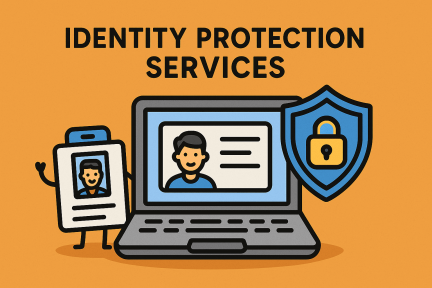
Identity protection services are specialized solutions designed to protect users from identity theft, fraud, and unauthorized use of personal data. They go beyond traditional antivirus or firewalls by focusing on the human element of cybersecurity—your identity.
Core Features of Identity Protection Services:
Dark Web Monitoring – Alerts you if your data (emails, SSNs, logins) appears in underground marketplaces.
Credit Monitoring – Tracks unusual activity in your credit reports.
Fraud Alerts – Notifies you of suspicious account openings or transactions.
Identity Theft Insurance – Provides financial recovery assistance.
24/7 Support – Helps resolve identity theft cases in real time.
Why Businesses and Individuals Need Identity Protection
Cybercriminals don’t just target companies—they target employees, executives, and consumers. A stolen identity can be weaponized to steal money, infiltrate organizations, or commit fraud.
For Individuals:
Protection against credit card fraud.
Early alerts for social security number misuse.
Peace of mind when shopping or banking online.
For Businesses:
Shields executives from spear-phishing and impersonation attacks.
Protects employee data from credential theft.
Strengthens overall cyber resilience.
In industries like finance and healthcare, where compliance is strict, identity protection services also help meet regulatory standards.
Common Identity Theft Threats
Understanding threats is key to prevention. Identity thieves exploit:
Phishing Attacks – Fake emails tricking users into revealing data.
Data Breaches – Stolen records from hacked companies.
Credential Stuffing – Using stolen logins to access multiple accounts.
Synthetic Identity Theft – Combining real and fake data to create new identities.
Insider Threats – Employees misusing access to steal data.
Each of these risks can have devastating consequences without proper identity protection.
How Do Identity Protection Services Work?
These services combine proactive monitoring, rapid alerts, and recovery support to safeguard identities.
1. Data Monitoring
Constant scanning of billions of records across the dark web, public databases, and financial systems.
2. Real-Time Alerts
Immediate notifications when suspicious activities—like new credit inquiries—occur.
3. Credit Locking & Freezing
Allows users to lock or freeze credit to stop fraudulent loans or accounts.
4. Recovery Assistance
If identity theft occurs, experts help restore compromised accounts and recover lost funds.
5. Insurance Protection
Covers legal fees, lost wages, and recovery costs up to a certain amount.
Benefits of Identity Protection Services
Adopting these services provides both defensive and proactive benefits:
Early Detection of Fraud – Prevents small incidents from becoming major crises.
Financial Protection – Covers monetary damages and recovery.
Compliance Readiness – Helps meet regulations like GDPR, HIPAA, and PCI-DSS.
Peace of Mind – Allows executives and employees to focus on growth, not security fears.
Enhanced Cybersecurity Posture – Complements network, endpoint, and application defenses.
Identity Protection Services vs. Traditional Security
| Feature | Identity Protection Services | Traditional Cybersecurity Tools |
|---|---|---|
| Focus | Personal & business identities | Devices, networks, and applications |
| Scope | Credit, dark web, SSNs, accounts | Malware, ransomware, phishing defense |
| Benefits | Fraud detection, financial safety | Data protection, threat prevention |
| Limitations | Doesn’t stop malware directly | Doesn’t monitor credit or dark web |
Both are essential—one protects the systems, the other protects the people.
Best Practices for Maximizing Identity Protection
Even with services in place, organizations should adopt layered defenses.
1. Enable Multi-Factor Authentication (MFA)
Reduces credential theft risks.
2. Educate Employees
Regular awareness training to identify phishing attempts.
3. Use Strong, Unique Passwords
Adopt password managers to avoid reusing credentials.
4. Regular Data Backups
Ensures quick recovery in case of ransomware or fraud.
5. Limit Data Sharing
Minimize exposure of sensitive personal and company information.
Choosing the Right Identity Protection Service
When evaluating providers, consider:
Coverage – Does it include dark web monitoring, credit alerts, and recovery?
Insurance Policy – How much financial protection is offered?
User Experience – Easy-to-use dashboards and mobile apps.
Enterprise Support – Ability to scale across an organization.
Integration – Works seamlessly with existing cybersecurity solutions.
For enterprises, ensure the service supports multi-user environments and compliance reporting.
Real-World Examples of Identity Theft
Target Breach (2013): Hackers stole 40 million credit card records through compromised credentials.
Equifax Breach (2017): Sensitive identity data of 147 million consumers was exposed.
CEO Impersonation Attacks: Executives often targeted with fake invoices using stolen personal data.
Each of these shows why proactive identity protection is essential.
FAQs on Identity Protection Services
1. Are identity protection services worth it?
Yes. They provide early alerts and financial recovery that can save thousands in losses.
2. Do these services stop hackers?
They don’t stop hacking attempts but reduce damage by detecting fraud quickly.
3. Can businesses use identity protection services for employees?
Absolutely. Many services offer enterprise plans to protect executives and staff.
4. What is included in identity theft insurance?
Coverage usually includes legal fees, lost wages, and reimbursement for stolen funds.
5. Are free credit monitoring services enough?
No. While helpful, they lack dark web monitoring and recovery assistance found in full identity protection services.
Conclusion: Identity Protection Is Business Protection
In a world where data is the new currency, identity theft is inevitable without strong defenses. For both individuals and enterprises, identity protection services provide the visibility, alerts, and recovery tools needed to stay safe.
Executives and IT leaders must recognize that protecting identities is protecting the organization itself. The right identity protection solution is an investment in security, compliance, and trust.
👉 Ready to strengthen your defenses? Register here to explore enterprise-grade identity protection and cybersecurity solutions today.

 Loading...